



Home Emergency Power System: Plan Essential Backup Before the Next Outage
If there is a blackout, you don’t need all the appliances to continue to operate. It takes the proper appliances, to be available for a long time. Powering a whole kitchen might not be as important as a refrigerator, some lights and internet connection.
An outage plan should, therefore, be the first step in a home emergency power system. Questions for the homeowner who is talking to an installer revolve around critical circuits, realistic runtimes, backup operation and recovery when the grid comes back on. It’s only when those decisions are clear that battery capacity becomes meaningful.
Determine a realistic expectation for an outage.
Think about what it would be like if the power went out for the night. Determine what rooms should be lit and if anyone has to work on the computer and what appliances preserve food or help with daily activities. Then think what priorities would be if the interruption was to last all night.
Know what is necessary versus what is optional and possible. Requirements can significantly vary with the use of electric cooking, water heating and large cooling loads. They should be part of the design and not be an untimely requirement in an emergency.
Talk with the installer prior to selecting equipment about these priorities. The result should be an agreed group of backed up loads, and an understanding of the “not available” group. This simplifies expectations that the battery will power the house.
Introduce the Outage Plan and discuss it in terms of Energy and Power
Energy capacity and output power are two different questions. Kilowatt-hours refer to the amount of energy that is stored; kilowatts refer to how fast the system can provide the energy. A proper design should have an adequate amount of both.
For example, if your essential load is 400W, then you need 3.2kWh every eight hours. Provide extra allowance for inverter losses, the allowable battery operating window and the reserve settings. Consumption of the actual appliance varies depending on the times of compressor cycling.
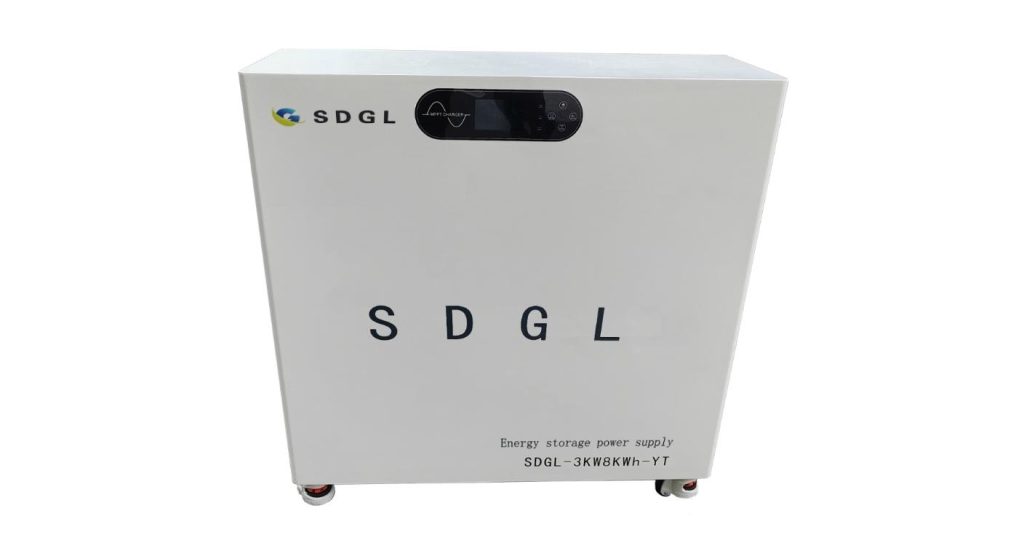
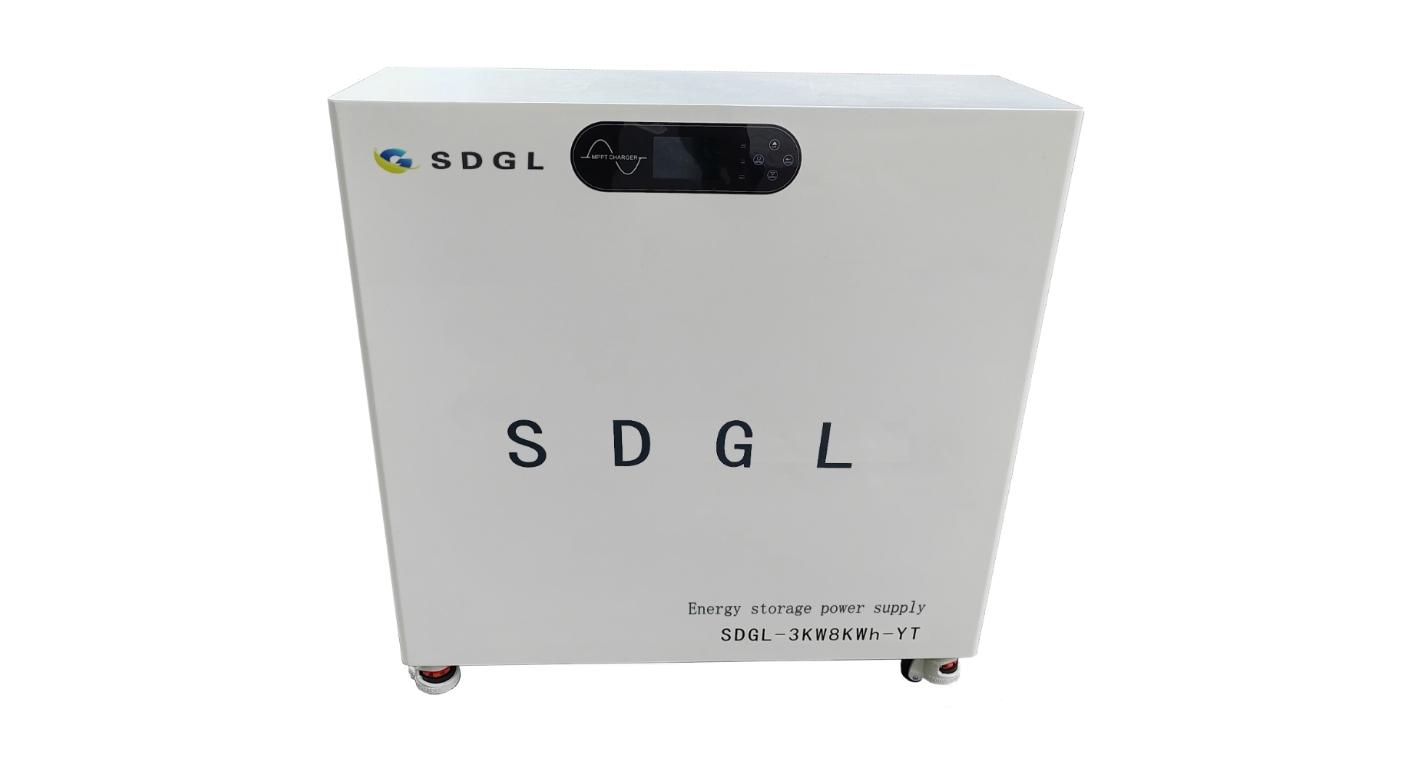
VoltaLink’s lithium battery backup system is rated at 8038Wh power and 3000W of AC power. These are figures to help put a discussion in perspective – not a guaranteed run-time for the household. Inquire of the installer if there are any discrepancies between actual demand and continuous output and the conditions associated with a surge rating.
Test to ensure that when the utility power is lost, the correct actions are taken.
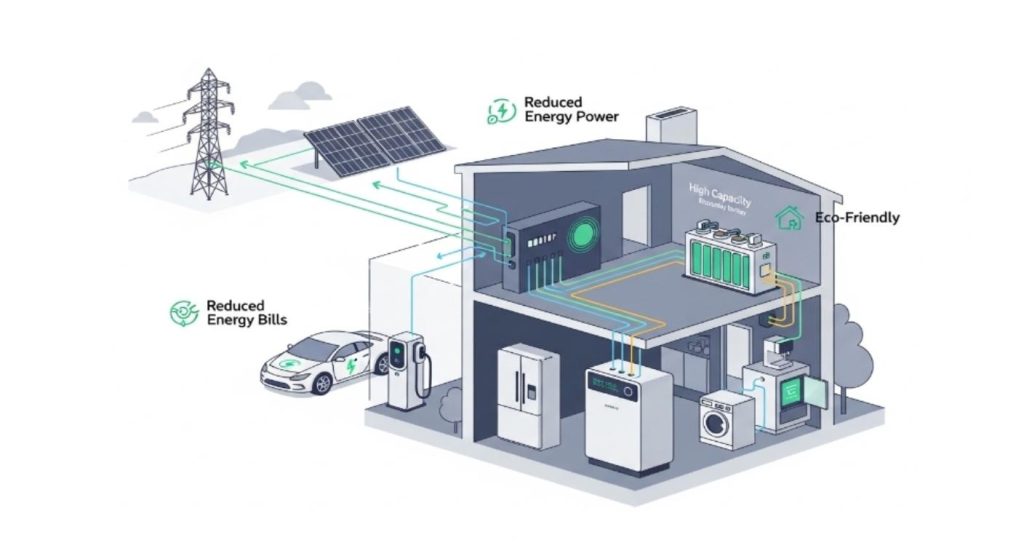
Just because a battery stores electricity doesn’t mean it will keep your home going. The full installation requires appropriate power conversion, backup power connections and a way to disconnect supported circuits from the failed utility power source.
Inquire about which circuits/outlets are working and if there is an automatic changeover. Determine if any appliances will start up automatically and if there are any interruption sensitive electronics. For the equipment selected and the wiring arrangement, the backup behavior must be listed.
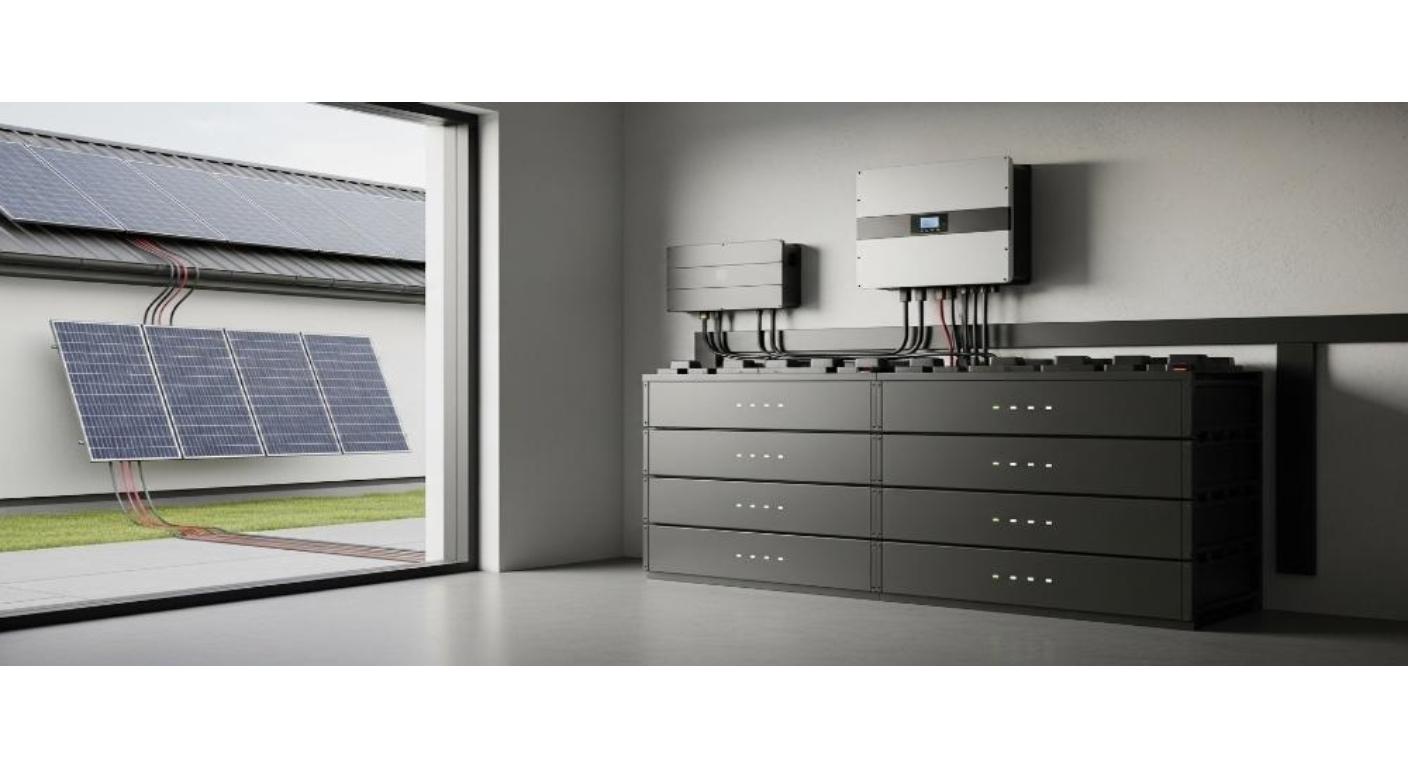
The already installed rooftop solar power installations also require an investigation. In the event of a power outage, a grid connected solar PV system may not produce useable power for the home unless the system can be configured for islanded mode. Don’t make the assumption that solar panels and a battery will just work together, ask the installer about the entire power path.
Choose a “Fit to the Household” configuration.
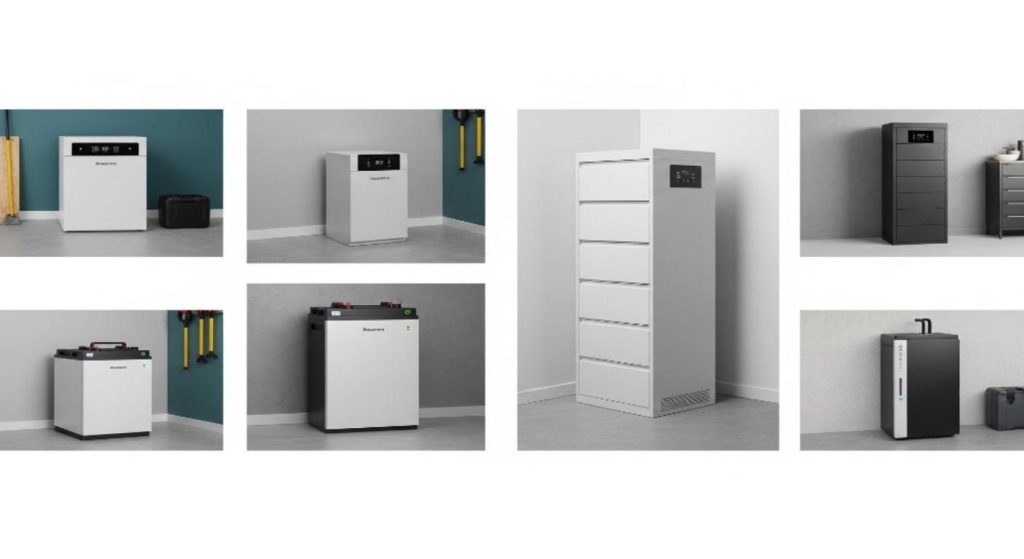
An integrated unit might be a good option for a family looking for a battery and a power converter in a single product setup. Other installation options may be available with a separate battery/inverter set-up, but must be confirmed for compatibility and accessories supplied.
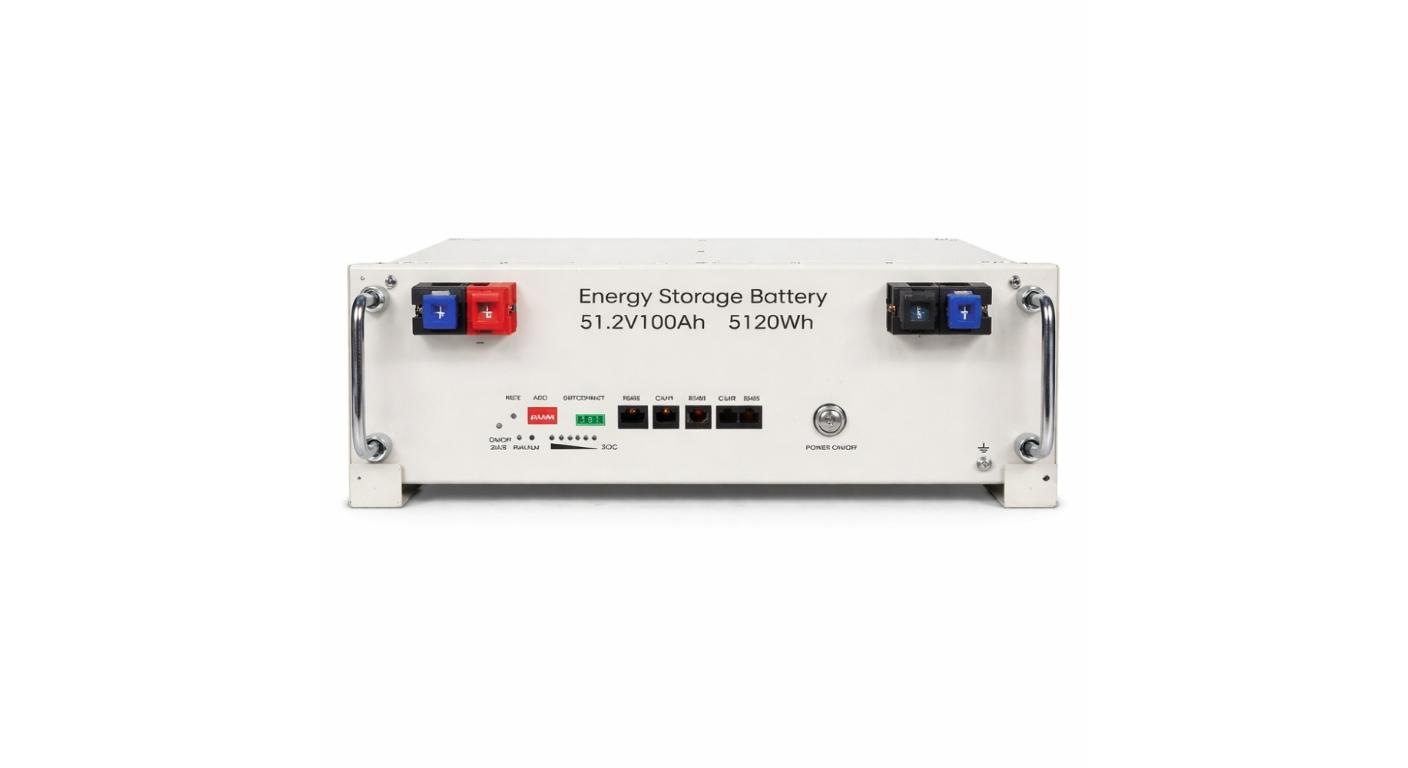
If you’re looking at installing a separate piece of equipment, VoltaLink’s 51.2V 314Ah home battery offers an alternative to the integrated backup unit. Always compare battery voltage, operating limits, communication and inverter requirements before comparing cabinet size/headline capacity.
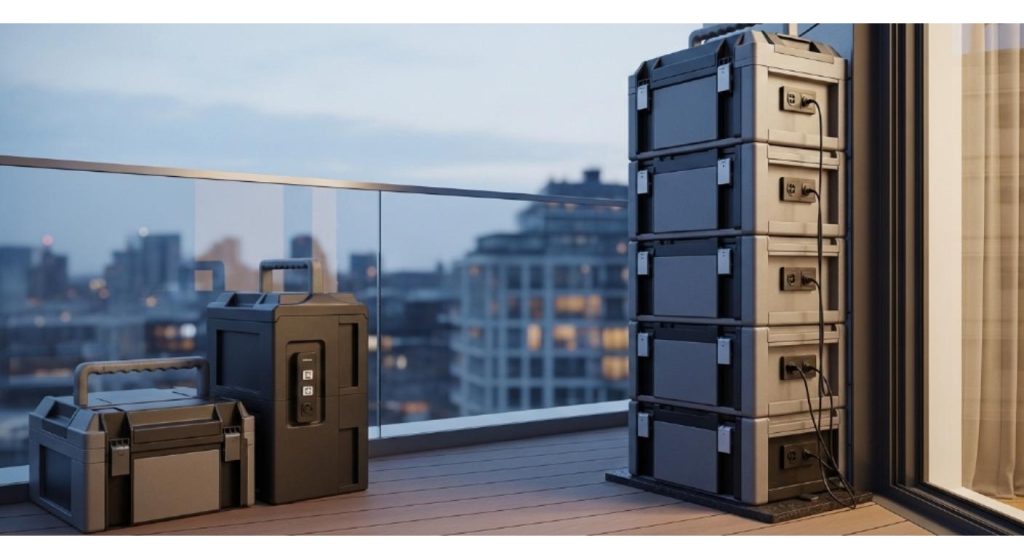
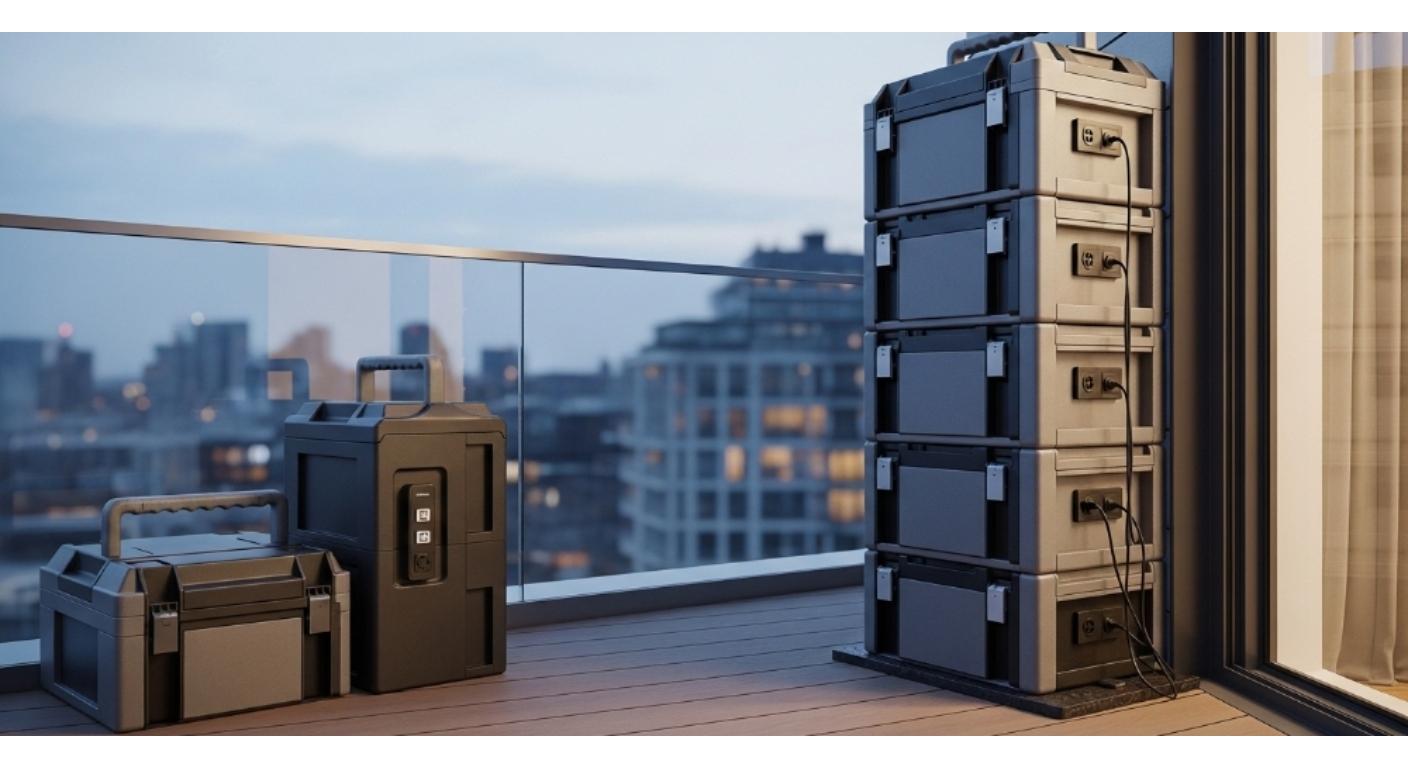
Staged capacity planning can also be achieved via a modular option. VoltaLink’s energy storage system is stackable, where it is defined by number of modules supported and the 2400Wh modules themselves. Verify the accepted expansion system, the electric power for the mode of operation used and suitability with the local domestic power supply. The more modules, the more energy is stored; does not necessarily mean higher inverter output.
Don’t just plan for the first night; plan for the second day, as well.
If power is out for a long period of time, and there is no way to charge, an overnight backup plan won’t work. Talk about how much solar energy may be available during bad weather conditions and if the solar system selected can charge during these events and still be off- the-grid.
Assume that solar generation is variable. Household consumption competes with charging, recovery is influenced by roof orientation, shade, weather and season. A forecast, based on a sunny day in summer, may not be appropriate in outage planning for winter.
Make an agreement for a lower use schedule for longer breaks. Operating some appliances at different hours may help to control power demand, and decreasing the total consumption may save energy. Set up any backup reserve that’s available – and know that there is a tradeoff – energy available for emergencies comes at the cost of energy available for daily use.
Specify a suitable site for the Equipment.
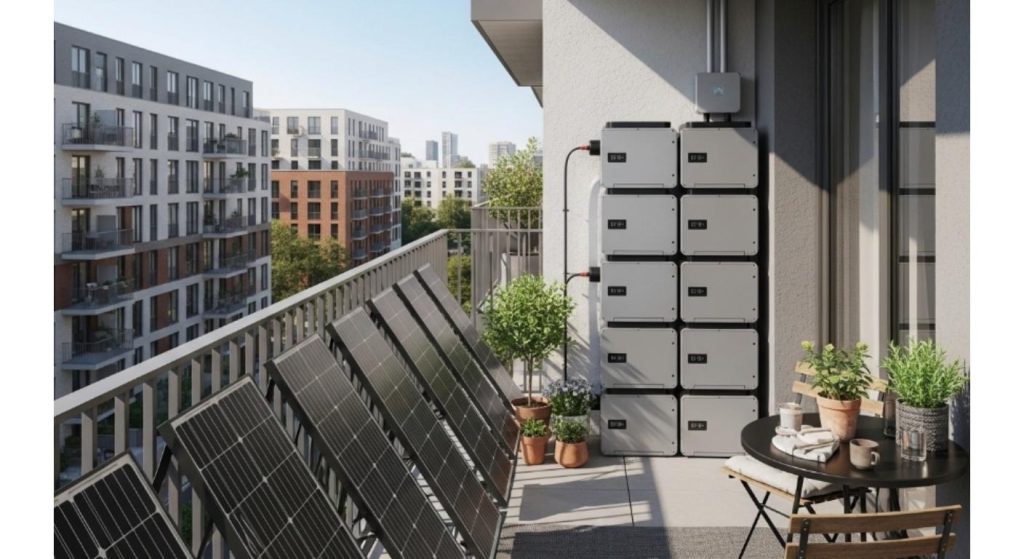
Placement has an impact on practicality and performance. Before accepting a product recommendation, check environmental limits, service access, cable routes, mounting requirements and space. Maintain accessibility of controls and isolation points for those who operate them.
For the integrated lithium battery backup product VoltaLink states that the product is IP20 for indoors. The location where it is installed should be in accordance with that model-specific rating and manufacturer’s instructions. If the picture or the tag line is general outdoors and/or weather, it does not alter the enclosure specification.
The installer should also verify the electric supply with the model chosen. The unit’s published AC output is 230V – this is a compatibility requirement, not a standard household. Don’t assume that any type of residential battery will work for any home, confirm the correct configuration.
Ring Outage Before Depending on Backup
Verify the working of backups by means of an approved commissioning procedure by a qualified installer. See the lights and appliances that are desired; make sure the circuits that are not supported are not in the backup area; and test the system to see how it reacts when the power is back on.
Write down the operation settings and familiarize yourself with the battery status, active power and alarms (if applicable). Determine who to call when the system doesn’t perform as shown. All users of the house should be aware of the appliances that need to be avoided during back-up.
Maintain manual records, handover and support information in a single location. Try out the outage plan whenever there is a change in the loads within the household, such as when a heating and cooling system is installed, or when it becomes a kitchen or a pumping operation. An emergency power system is still viable as long as its configuration continues to meet the home.
| Checkpoint | Record to Keep |
| Agreed backup scope | Circuit schedule |
| Starting condition | Battery state of charge |
| Test conditions | Active loads and weather |
| Observed changeover | Time and appliance response |
| Grid recovery | Charging and restart behavior |
Conclusion
The first step to a reliable home emergency power system is to define what essential use is. Meet that demand with power and energy, and/or have backup switching verified and a plan to recharge during extended outages. Final selection should be made following the outage behaviour, location and supply of a property and VoltaLink’s home storage options offer product configurations to discuss with an installer.
FAQs
Q1. Will a home emergency power supply power all home appliances?
If the total system is not designed for that need. Numerous homes opt for backing up important circuits.
Q2. During a blackout, how many hours will a home battery power a house?
The runtime is dependent on the amount of energy stored and how much energy is being utilized. Get an estimate with losses and reserve settings.
Q3. In the event of a blackout, will rooftop solar continue to operate?
Not automatically. Inverter and back-up setup should be able to run the system in solar, off-grid mode.
Q4. Does Battery Size = Output?
Not necessarily. Additional capacity can increase run time and output will not exceed the approved battery and inverter setup.
Q5. What should be done in advance to the handover of the system?
The installer should show the performance of backup and recovery operation. Keep settings, how-to guides and contact numbers.

-

 LiFePO4 Home Battery Packs: Understand the Specifications Before You Select
2026-10-30
-
 Whole-Home Energy Storage: Plan Coverage Around Your Household’s Actual Demand
2026-10-29
-
 OEM Home Energy Storage System: Create a Brand Ready for Consistent Installation
2026-10-28
-
 Hybrid Home Energy Storage System: How Energy Moves Through Your Home Each Day
2026-10-27
-
 Home Battery All In One: How an Integrated System Fits Your Home
2026-10-26
Share this: