



Hybrid Home Energy Storage System: How Energy Moves Through Your Home Each Day
A Hybrid Home Energy Storage System manages power from the solar PV, battery, and the grid. The value is that of its ability to determine how it will interact with each other, based on fluctuations in sunlight and household needs, instead of just installing a battery on the property.
A convenient way to look at the system is for the homeowners and installers to follow a typical day. The controls are subjected to different demand during morning, midday, evening, and during an unexpectedly outage. Planning these situations can help you transform a product specification into an operating strategy that lines up with the home.

Before prioritizing roles, it’s important to first understand the roles.
Solar panel has to generate electricity under certain conditions. The battery holds the electricity for later use and the inverter controls the appropriate conversion of DC power to household AC power (and vice versa). The controls are used to determine which modes of operation are permitted, and the grid can provide for a shortage if they are available.
This coordination is referred to as hybrid, and does not necessarily have to be in one cabinet. A system may be comprised of stand-alone equipment or a coordinated modular product. The available functions and how the resources connect is based on the approved electrical architecture.
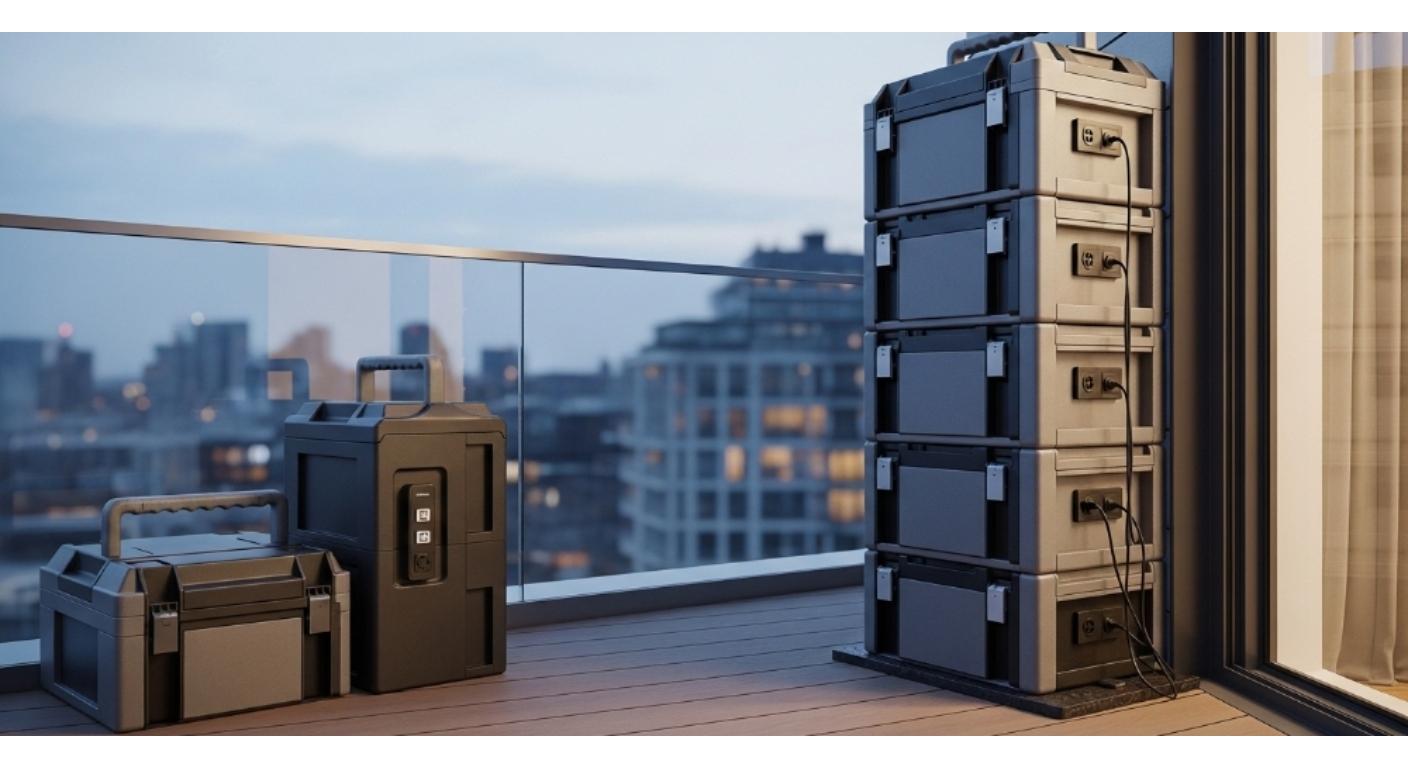
For example, VoltaLink’s stackable energy storage system, which includes a hybrid inverter central device and separate battery blocks. The configuration shows the reason why inverter, battery quantity and operating mode selected should be taken into account together. Before requesting solar use, suggesting reserved energy or planned charging, verify the entire equipment configuration.
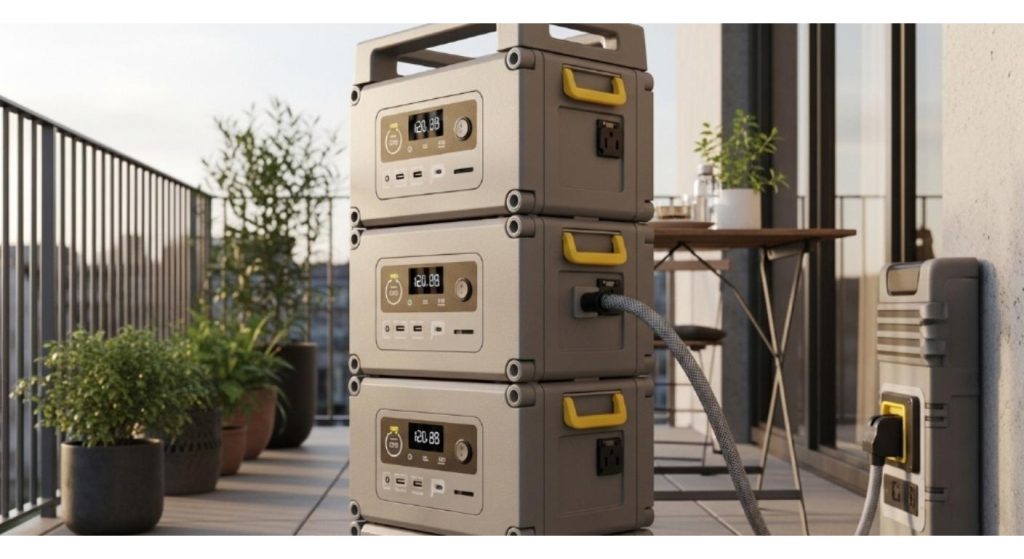
Determine the amount of stored energy to maintain in the morning
Until solar generation is significant, solar generation can be used to power household demand, as can the grid or the battery or an approved mix. The preferred choice will depend on the amount of energy that has been stored the previous day and what is required for the storage.
Solar energy with stored solar could be okay for a household, if they allow the battery to discharge in the morning. If a household is worried about outages, it may be inclined to conserve more energy.
Talk about reserve settings in terms of energy used, rather than just a number shown on the display. Inquire about what is available for emergency use, and the behavior of the system at the minimum operating point. If scheduled charging is supported and allowed, verify if it is turned on and how it will work with reserve settings. Don’t presume that all hybrid products have the same scheduling capabilities.
At Midday, you can take advantage of the “Manage Surplus Without Unlimited Charging” feature.
If there is excess solar power, a configured system can send that power to the battery. The charging limit is still constrained by the inverter, battery acceptance rate, battery state of charge and environmental conditions.
When the battery reaches its allowed maximum, there must be another place to put the generation. Depending on the approved installation the PV array can be used for household loads, exported where allowed or curtailed.
VoltaLink’s wall mounted battery for solar panels provides both battery and solar conversion parameters. These are not interchangeable measures of performance, but separate design limits. Design the array and charge configuration with the designer. If feasible, shifting appropriate appliance usage to sunny times can further minimize energy transiting through storage, as per household activities.
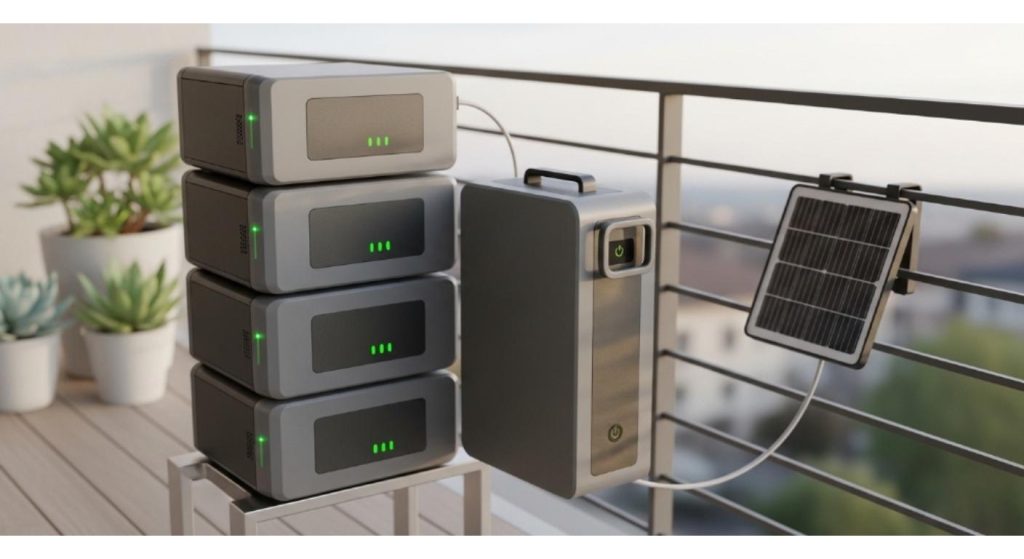
Evening: Match Discharge to Demands NOT Expectations
When the solar output decreases, the battery is able to power loads within the programmed discharge limits. The potential duration depends on the energy stored, and the simultaneous demands depends on the inverter output and battery current limits.
Let’s take a typical family that consumes 3kWh from dinner time till bed time. It requires a minimum of that much delivered energy that can be used to fill the time gap between now and the next generation or grid supply. Rated battery capacity should also account for the operating limits and conversion losses as well as any reserve being kept for subsequent use.
The battery is not the only determining factor of the AC output of the complete system, VoltaLink’s home battery reference is a 51.2V 314Ah home battery. Verify the proper inverter and accepted configuration. Re-evaluate the demand assessment rather than just assuming that the change is accommodated by the current storage strategy if the home adopts any additional form of cooking, cooling or vehicle charging.
In an Outage, change the Operating Objective
An interruption will shift the priority from ordinary energy scheduling to back-up supply agreed. Not all hybrid equipment will automatically provide backup – just because it’s solar plus storage doesn’t mean it is backup equipment.
Verify selected configuration can be operated independent of the utility, define which circuits the configuration is to provide, and determine what protective/switching equipment is needed. Inquire about the ability of solar to keep charging the battery during the outage, and the impact if the demand cannot be met by the amount of generation available.
The household should also have a clear action plan to run the household. Be aware of what appliances to delay, how to check the remaining charge and what happens when the battery runs out. Upon utility power restoration the system should restore itself to the approved set points. Request that the installer show you the outage and recovery as outlined, instead of a blanket guarantee of seamless operation.
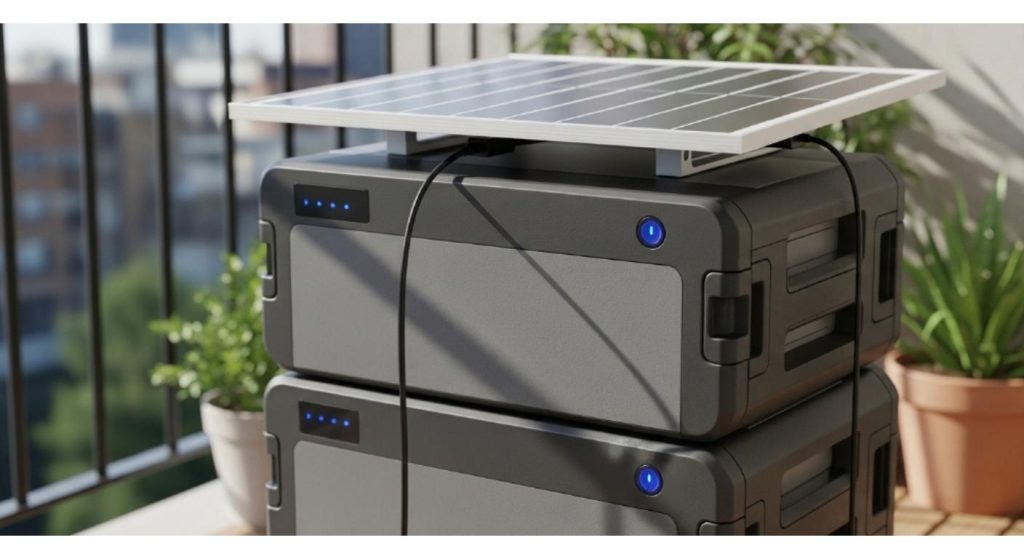
Monitor to check the Strategy for many days
One sunny day will not reveal whether or not the operating plan will fit the family. Check multiple days of review for various weather and occupancy situations. Compare solar generation with household consumption, battery charging, battery discharge and grid exchange where information is available by monitoring.
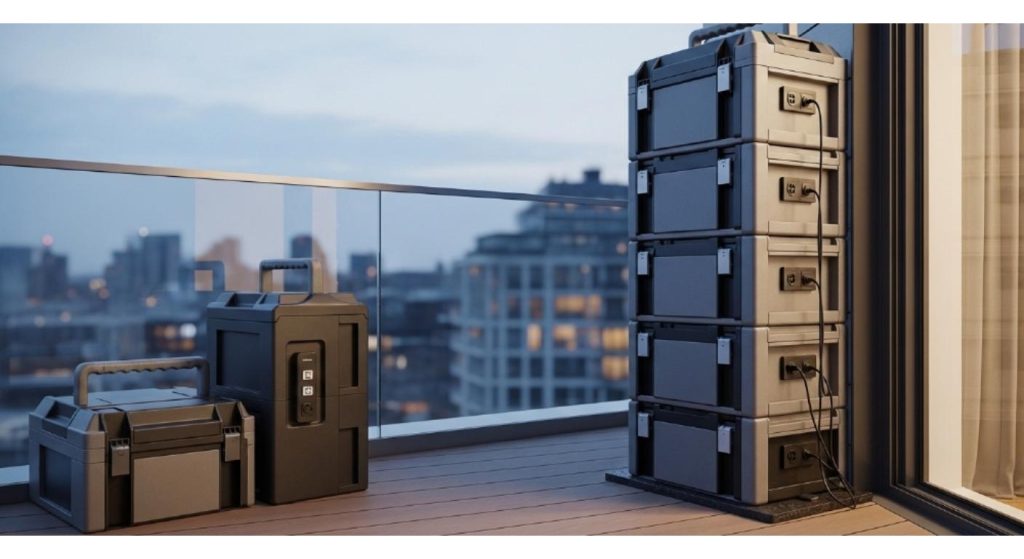
Focus on explanations instead of setting changes. Reserve might be seen in the morning grid use, and less charging in the middle of the day may mean that the battery is full or a limit is being applied. There may be a shortfall in the evening due to increased demand, diminished daytime generation or an inappropriate schedule.
VoltaLink’s home energy storage guide offers a general overview to discuss how the system operates. With the installed product, verify what monitoring accessories, communications and software functions are provided. Don’t assume that optional integration (for metering or platform) is standard with every camera.
Write down the agreed settings and discuss with installer if there are any changes. The generation/consumption balance can change because of seasonal sunlight, a new appliance or a change in work schedule. Before adding more battery modules, the cause for poor performance must be addressed, as it could be a charging limitation, mis-measurement or a configuration problem.
| Time Window | Measurement to Save | Household Context |
| Morning | Battery charge and grid import | Wake-up demand |
| Midday | PV output and charging | Cloud cover |
| Evening | Discharge and grid import | Cooking and cooling |
| Overnight | Remaining charge and grid import | Reserve setting |
Conclusion
The Hybrid Home Energy Storage System is a coordinated operating plan, not a collection of components. Decisions on morning reserves have an impact on charging during the day and supplying at the end of the day, and outages must be separately verified, with a backup arrangement in place. Let the equipment, settings and monitoring match the real-life routine of the household. After that, check the results under varying conditions to ensure that the strategy is useful all year.
FAQs
Q1. Does hybrid imply the house can be “off the grid”?
Not automatically. Independent operation must be designed and approved for backup or off-grid operation.
Q2. Will solar panels charge the battery when the house is being powered?
Yes, as long as generation and the equipment that’s configured allows for it. Surplus and system limits continue to apply to charging.
Q3. Why do you think the grid is supplying power when the battery has charge?
It can be due to setting or output limitation, or a choice of operating mode. Inquire with installer if settings have been checked.
Q4. Are all of the performance problems solved by adding battery modules?
No. There is no way to automatically solve the limits of inverter output, charging and control by using extra capacity.
Q5. Does it make sense to use the same operating settings throughout the year?
Not necessarily. Re-check them at times of seasonal changes in generation or household consumption. Do not exceed manufacturer’s recommended adjustments.

-

 LiFePO4 Home Battery Packs: Understand the Specifications Before You Select
2026-10-30
-
 Whole-Home Energy Storage: Plan Coverage Around Your Household’s Actual Demand
2026-10-29
-
 OEM Home Energy Storage System: Create a Brand Ready for Consistent Installation
2026-10-28
-
 Hybrid Home Energy Storage System: How Energy Moves Through Your Home Each Day
2026-10-27
-
 Home Battery All In One: How an Integrated System Fits Your Home
2026-10-26
Share this: