



LiFePO4 Home Battery Packs: Understand the Specifications Before You Select
LiFePO4 Home Battery Packs can utilize the same chemistry, but are designed for widely divergent residential applications. One pack can be used on a small rack; another can store a lot more energy in a big pack. Just because of their name lithium iron phosphate isn’t enough to make either the right choice.
The job for installers and purchasing is to make a battery specification a system decision. Read together the energy rating, voltage window, current limits, BMS behavior, installation conditions and expansion instructions. This will show what the pack can do and what is still to be achieved by the inverter and overall installation.
Investigate with the Pack, NOT just the chemistry!
LiFePO4 is the abbreviation that indicates lithium iron phosphate chemistry. A complete home battery pack is accompanied by electrical connections, monitoring, protection features, enclosure and interfaces for installation. This is dependent on the entire product design.
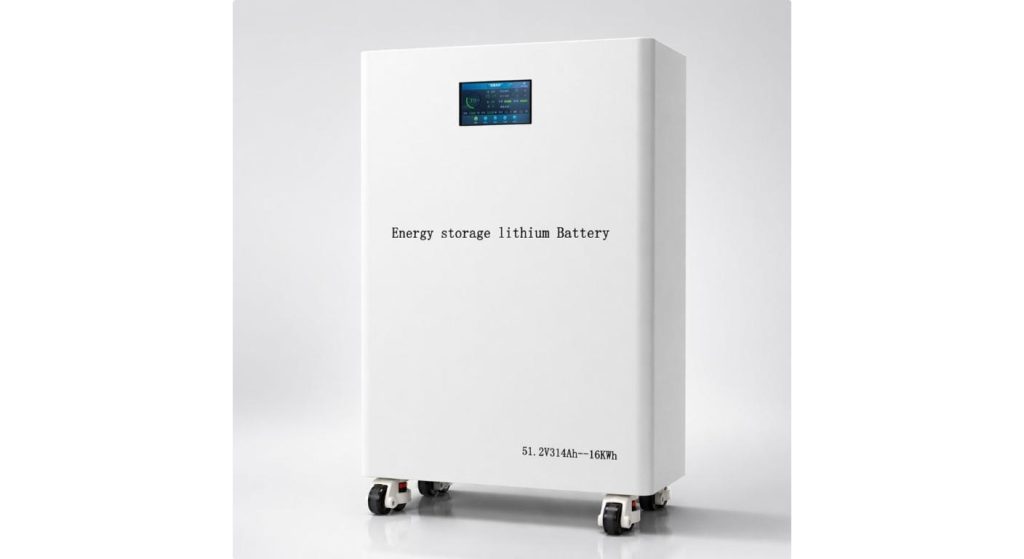
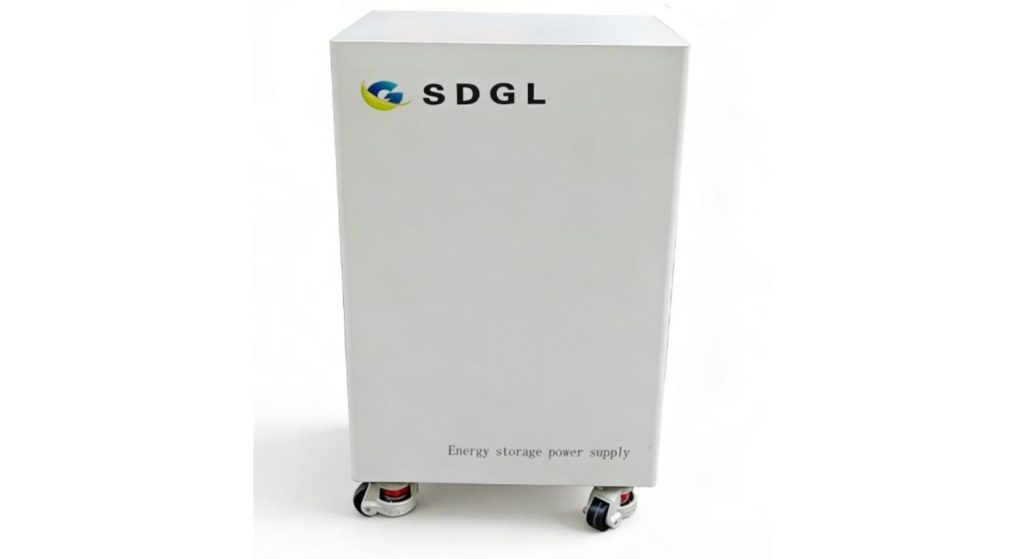
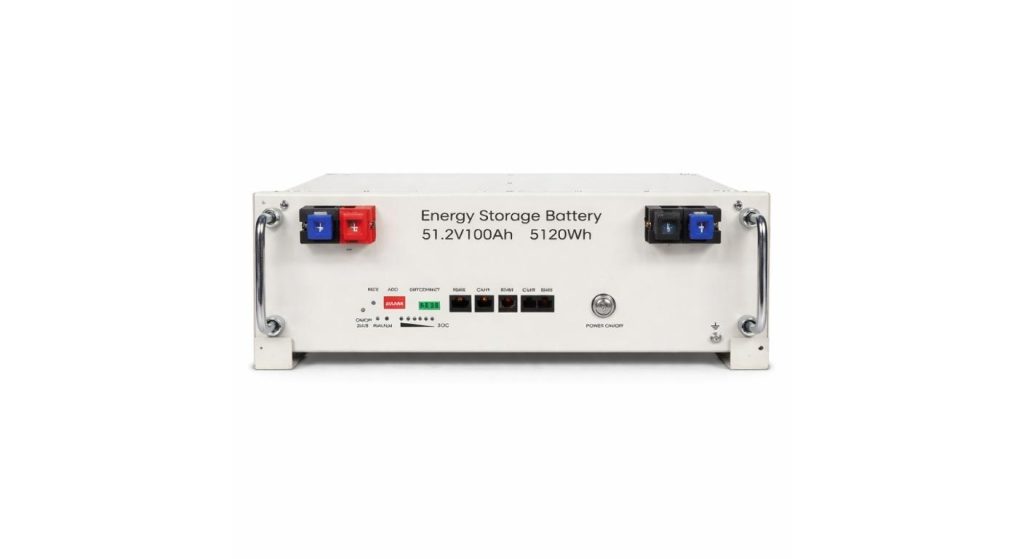
The 51.2V server rack battery and the higher capacity home battery are two product formats in the same chemistry family. The mechanical design and electrical specifications published should be evaluated separately, even if both are being considered for residential storage.
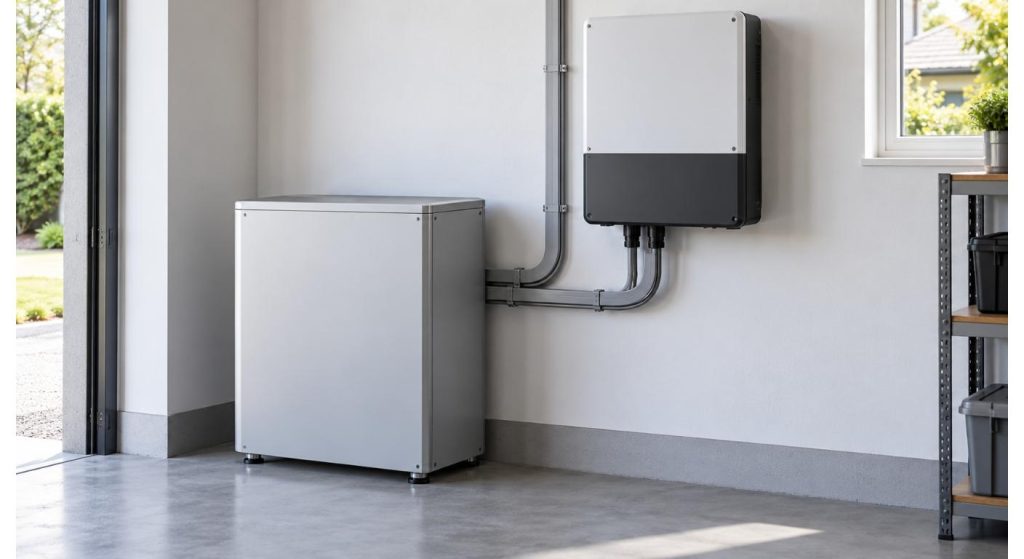
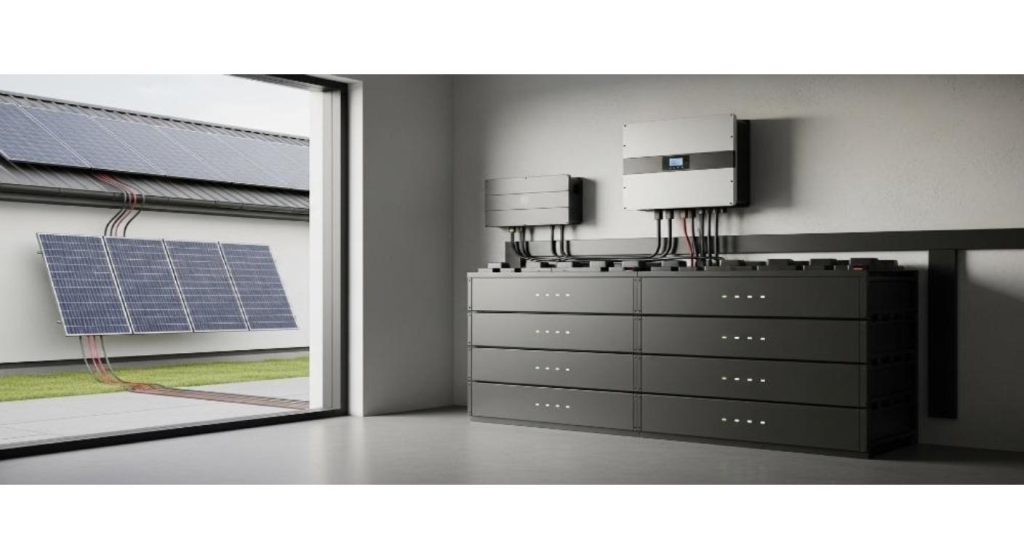
Determine if the quotation includes a battery pack or a full system including power conversion. DC energy storage does not provide AC loads alone. Inquire about other equipment needed and what combinations are approved.
Interpret measurements of energy and voltage as separate data.
Ampere hours are a measure of the amount of charge, while kilowatt hours are a measure of the amount of energy. When the nominal voltage varies, ampere-hours by themselves might be misleading. The nominal voltage times the ampere-hours will give an approximation of the nominal energy figure but not the usable energy delivered to appliances.
The operating voltage range is for another purpose. It helps to identify compatibility with charging equipment and the inverter’s battery input. Equating nominal voltage class is a first step only, the charging/ discharging conditions must also be agreed.
Inquire from the supplier on the level of recommended setting and on what the difference is between that and the published range. Never copy charge settings from another battery of similar chemistry, which does not have a common history or is not known to you. Final settings to be done according to selected product’s instructions and approved inverter setting.
Convert Current Limits to a realistic Power assessment.
The power that a pack can supply the inverter depends on the pack’s current capability. When the power requirement is the same, the current on the battery side decreases in general as the operating voltage decreases. Losses due to conversion also mean that the useful AC output is less than the required DC output.
Be able to differentiate between recommended operating current, continuous limits and any short time rating. There are additional restrictions that are added by the inverter, the cables, connectors and protection equipment.
Include an integrated evaluation based on the necessary household load. VoltaLink’s 51.2V 314Ah home battery is a bigger energy configuration, which shouldn’t be interpreted as the system’s AC power configuration. Ensure that the designer reviews the whole power circuit and conditions, particularly for motor start or where there is repeated high demand use.
Split BMS Protection from Inverter Communication.
The BMS not only tracks battery health, but also plays a part in protection as part of the product design. Communication enables information on battery status and operating limits to be exchanged between compatible equipment. Although these functions are related they cannot be used interchangeably.
Having a CAN or RS485 port does not make it compatible with all inverters that also have a CAN or RS485 port. Verify the protocol, connection configuration, equipment model supported, and firmware. Inquire what the response of the inverter is to the battery’s requests for smaller charging or discharging currents.
The storage overview provided by VoltaLink OEM and ODM storage talks about PACK and BMS coordination. If an alternative communication arrangement and configuration is required for a project, determine the engineering scope and verification requirements prior to ordering. The test of a commissioning demonstration should demonstrate the information exchange that is intended and not just that there is a communication cable connected.
Simply return Lifespan Claims to their test conditions.
Unless the conditions to which the cycle life applies are understood, cycle life is useless. Inquire about the depth of discharge, temperature, current and threshold used to define the result in the quote. Comparing figures from the headlines is not straightforward due to the different conditions.
The impact of calendar ageing and of household use is also important. A cycle count does not necessarily imply a set amount of service years and a warranty can be based on time, energy throughput, or retained capacity. Get the true conditions of the proposed model.
The other part of assessment is provided by manufacturing information. Inquire about the evidence of the cell grouping, assembly checks and final verification for the selected pack to support the provided specification. Do not get these questions away from the model and presume that a statement from the factory is true for all configurations.
Review Environment and Expansion Plan Together
Where a pack belongs is based on the enclosure rating and instructions for installation. Both the mentioned VoltaLink battery parameter tables state that they are for indoor use (IP20). Choose a suitable site for the necessary environmental conditions and services.
It is important to verify temperature requirements for charging/discharging and storage separately. Don’t assume that the range of temperatures shown is for all activities, and don’t assume the unit can be heated. Questions to ask: What happens if an operating limit is exceeded?
Expansion: get approval for quantities, interconnections, firmware and compatibility with existing units. Specific assessment and procedures may need to be used for different ages, different states of charge and different versions of the product. Not all batteries can be arbitrarily combined, it is parallel capability. Always use qualified personnel following the approved installation method (packs added are not a change in the number of packs on a capacity label, but a change in installation).
Accept the Battery as Component of the Battery System.
Before buying, create a product definition that includes the model, configuration, accessories supplied, documents relevant to the product, and the inverter with which it will be paired. Put down all the project specific details and explain who will be supporting the shared setup.
In the process of commissioning, check the functions involved in the project by approved procedures. Monitor charging, discharging and status reporting and alarm (if applicable). If it is part of the installation, backup switching should be confirmed separately as it is part of the larger system.
Retain the accepted specifications, and support information, for future use. When special modifications are needed a starting point can be found in VoltaLink’s company profile to discuss BMS and PACK design services. The full application, and not just the chemistry name, should be referred to when making the final decision.
| Specification | 51.2V Server Rack Battery | 51.2V 314Ah Home Battery |
| Nominal capacity | 100Ah | 314Ah |
| Rated energy | 5.12kWh | 16.07kWh |
| Continuous charging current | 50A | 150A |
| Standard discharge current | 50A | 150A |
Conclusion
LiFePO4 Home Battery Packs are engineering products and should be compared as such. The battery family is determined by chemistry, the practical suitability by the energy, voltage, current, control interfaces, environmental limits and expansion rules. Verify these details with inverter and installation, and file the approved configuration. A good specification makes a good battery a sustainable component of the home energy system.
FAQs
Q1. Are there any differences among all LiFePO4 home battery packs?
No. There may be differences in voltage, current capacity, communication and installation specifications. Make sure to verify the combination of the exact system.
Q2. Does the Ah rating necessarily indicate more energy stored?
When the voltage comparison indicates it’s okay. Convert to rated kWh and differentiate between nominal and delivered energy.
Q3. Does the BMS take the place of the inverter?
No, Battery management and DC to AC conversion are different functions. Check the supply package for equipment to be included.
Q4. Is there a relationship between cycle life and service years?
Not at all, aging and operating conditions influence performance. See the test basis and the individual warranty.
Q5. Are new packs able to be added to an older installation?
May be, if approved by the manufacturer. Check compatibility and necessary expansion procedure before adding on additional units.

-

 LiFePO4 Home Battery Packs: Understand the Specifications Before You Select
2026-10-30
-
 Whole-Home Energy Storage: Plan Coverage Around Your Household’s Actual Demand
2026-10-29
-
 OEM Home Energy Storage System: Create a Brand Ready for Consistent Installation
2026-10-28
-
 Hybrid Home Energy Storage System: How Energy Moves Through Your Home Each Day
2026-10-27
-
 Home Battery All In One: How an Integrated System Fits Your Home
2026-10-26
Share this: