



Whole-Home Energy Storage: Plan Coverage Around Your Household’s Actual Demand
Whole-Home Energy Storage implies power will be supplied to the house even if the power from the grid goes out. It is used in practice to refer to a design goal that requires a clear statement. Having a lot of circuits connected is not the same as powering all appliances at once, or as a normal user would experience while powering them for an extended period of time.
If you are a homeowner and are thinking about expanding your back up coverage, the initial discussion should be about the expectations of operation. Determine what the home needs to keep, what can be put off and for how long the arrangement needs to last. Afterwards, evaluate battery power and inverter output, electrical connectivity, and recharging as individual components of a design.
Explain Whole-Home Coverage in layman’s terms
Inquire about the meaning of whole-home in the proposal. It can refer to a system that is linked to the household distribution system, but still involves the control of large appliances. Another offer might provide just certain circuits and yet have a comparable marketing description.
Explain the experience that the household is expecting. Cooking, cooling, refrigeration or laundry may be provided on a scheduled basis while lighting may be on duty all the time. If it is necessary to operate a large piece of equipment normally, specify this prior to equipment selection.
Ask for a written description of the types of circuits and operating limits. The backup scope of a property cannot be determined by a product category, although the range of VoltaLink’s residential energy storage products provides various product formats. The extent of that scope will vary based on the equipment and building supply selected and installation design.
In the course of this paper, the authors repeatedly refer to the Busiest Moment Before Calculating the Longest Runtime.
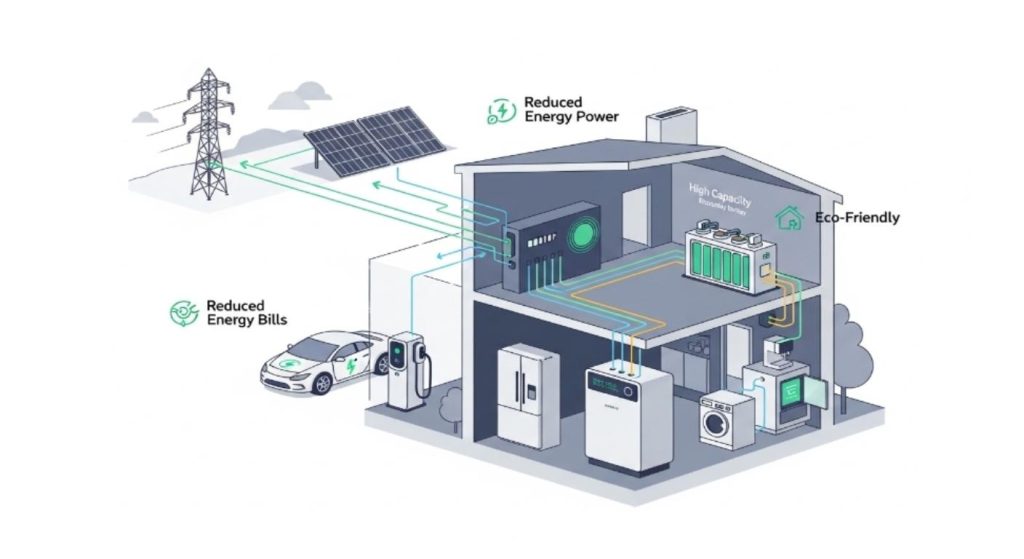
A residence may use a reasonable quantity of energy during a day, and a ton of energy during a brief period of time. When cooking takes place and cooling equipment and a pump are running can result in other requirements than running the cooling equipment and the pump alone.
Ask the designer to evaluate simultaneous demand and pertinent starting loads. Compare them to continuous inverter output, permissible surge characteristics, battery current capacity and the capacity of the entire electrical system. Without the duration, a peak rating is not sufficient.
VoltaLink’s wall mounted battery for solar power page features a system configuration and has a published AC output rating. Consider that a starting point for that particular type of appliance, not evidence that every household appliance can co-exist. Verify the real configuration provided and its compatibility with the voltage and phase of the property, particularly when there are large or multi-phase loads.
Measure the use of energy in the context of an agreed ‘routine’.
Once power demand is surveyed, then estimate the energy required for the duration of the outage period. Wherever possible use measured consumption and allow for the differential between normal domestic consumption and the reduced consumption plan agreed for backup.
Not all the energy in a battery is available for use by home AC systems. The estimate should include the operating window, conversion losses, initial charge and reserves. The performance may also depend on the temperature and condition of the battery.
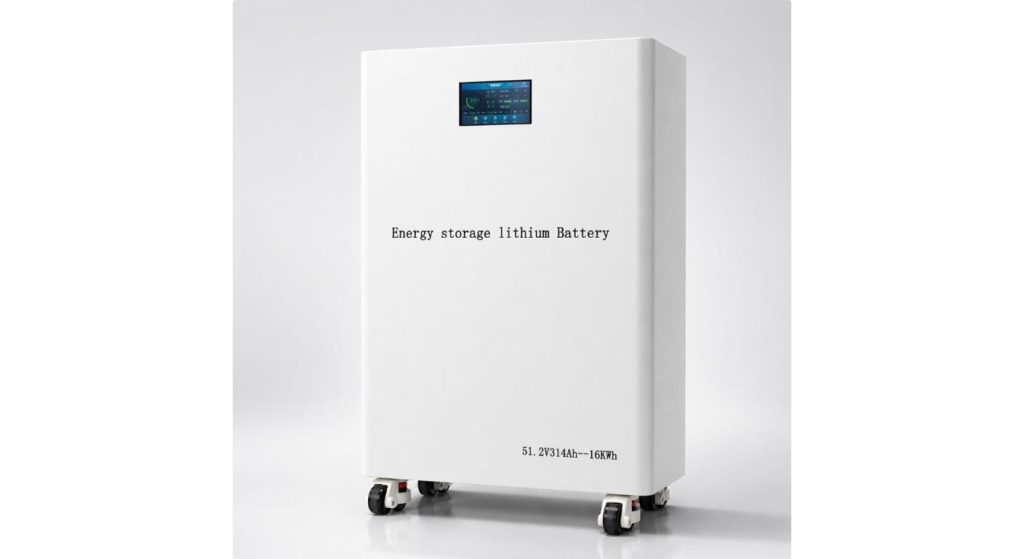
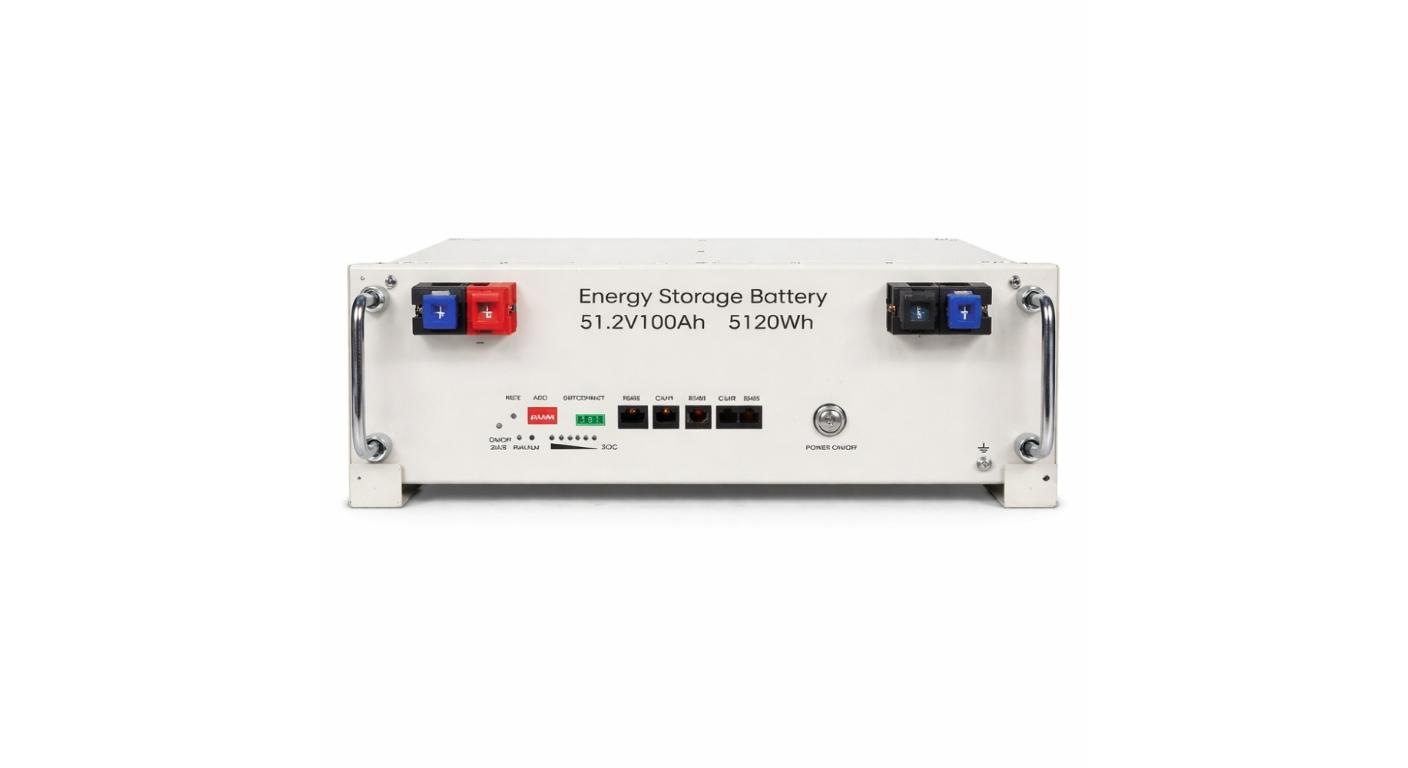
The VoltaLink’s 51.2V 314Ah home battery showcases 16.07kWh rated energy and offers parallel expansion capabilities, up to and within its published configuration limits. More units can boost stored energy but the designer will need to ensure inverter capacity, wiring, fuse and breaker protection, and an approved combination. The inclusion of batteries should be used to satisfy a specific energy demand, not as an end-all solution for a system evaluation.
| Operating Scenario | Assumed Average AC Demand | Runtime from 12kWh Usable AC Energy |
| Reduced-use routine | 0.5kW | 24 hours |
| Moderate household use | 1.5kW | 8 hours |
| Sustained heavy demand | 3kW | 4 hours |
Select a choice of Unrestricted Demand or Managed Coverage
If the equipment that is being proposed will not be able to meet the peak simultaneous use by the household, explain these options clearly. The project can involve a different system design, a decrease in appliances being backed up, or an agreed upon method to delay certain appliances.
Being managed covers can help maintain beneficial access throughout the house without giving every load the same priority. A family can keep their lights on and their refrigerator running, for instance, but postpone plugging in a car or electric water heater during a power outage. It’s up to each household to decide which ones are right for them.
Inquire about manual or compatible control devices. Don’t assume a battery with a BMS means that it will be automatically prioritized. The purpose of a battery protection is different from the purpose of household load scheduling. Proposed scope should include any optional controllers, metering and switching functions which should be demonstrated during handover.
Take care to plan ahead for Recharging While the House is Still Using Energy.
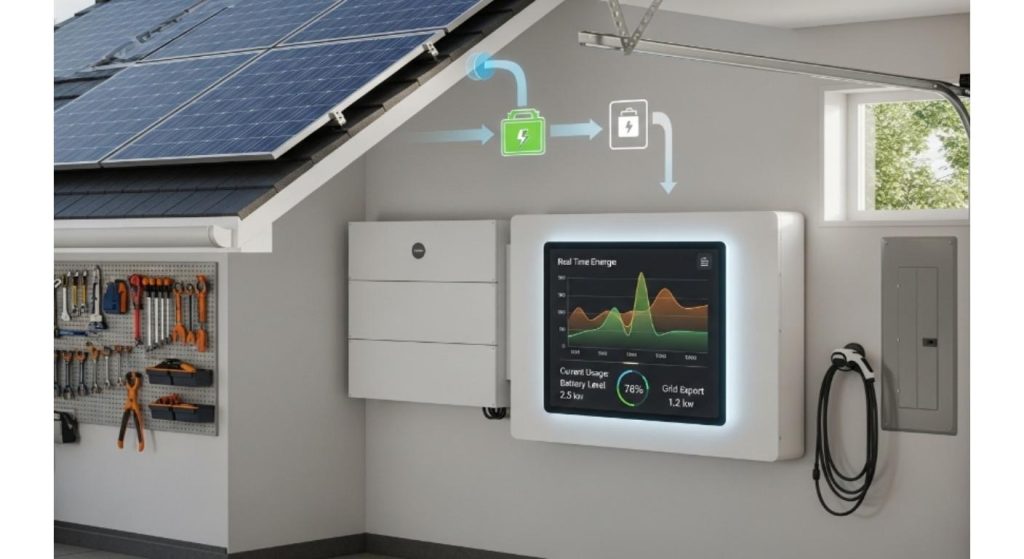
A battery that is sized for one night can’t necessarily last through several cloudy days. If the interruption lasts long, the available solar generation should provide electricity for the household, and for recharging the battery. Influences on the balance include the weather, season, and the routine of operation.
Verify that the accepted backup setup would allow for solar power generation and charging when isolated from the power grid. Set the charging limits and what to do if less generation or the battery falls below its minimum charge. Certain product specific recovery conditions may be recommended after a deep discharge.
For more context to help solar and storage discussions, VoltaLink’s home energy storage guide will be included. When doing the actual project, ask for an evaluation with realistically seasonal generation, not a best case sunny day. When there is a consistent shortfall in the forecast, limit the anticipated consumption or consult with the designer about other authorized sources of energy rather than assuming that the greater battery capacity will result in greater energy.
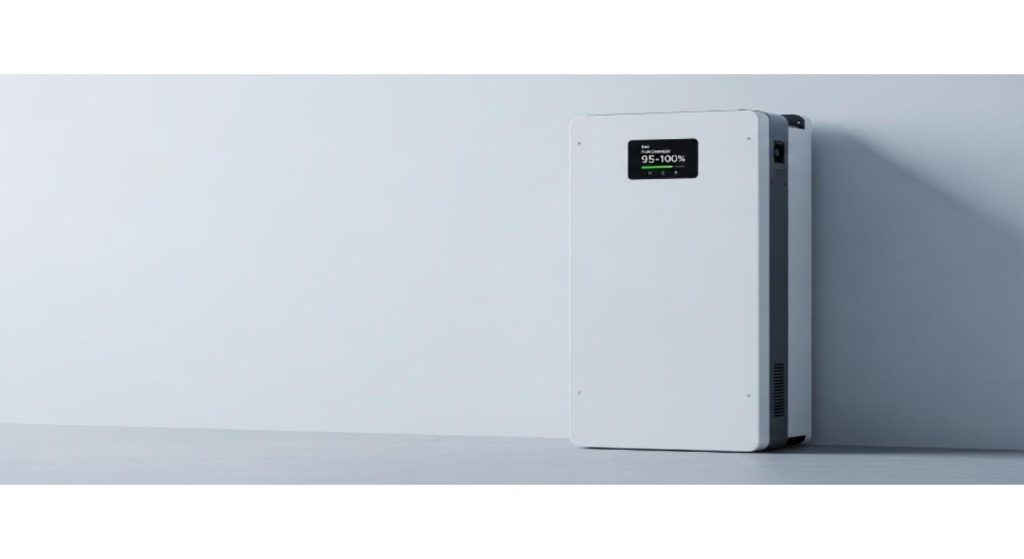
Request the Installer to Show What He or She Promises
A practical demo of the agreed functions should be the final step in a whole-home proposal. The installer should demonstrate the following through approved commissioning procedures: 1. Circuits that continue to be energized; 2. Response of the system to representative loads; and 3. Utility restoration procedure.
Re-check operation when available battery energy is becoming a limitation. The household shall be aware of any automatic limitations, manual actions that are required to be performed and the distinction between an operating limit and a fault. Maintain protection within manufacturer’s ranges.
Placement and access to services are also still a component of the project. The stated 51.2V 314Ah battery is rated to be used indoors only (IP20), and a whole home objective is no exception to that.
Keep approved configuration of equipment, circuit scope, operating instructions and commissioning record. Re-evaluate the plan following the addition of major appliances or changes in occupancy. The most useful handover is to tell the household what the system can withstand and what the household should do in the event of conditions that deviate from the design.
Conclusion
Whole-Home Energy Storage represents a package for coverage, power, duration and recovery designed as a coordinated system for the home. Define available resources, trial the peak operational modes, and work out energy based on agreed schedule. After that, check the solar recovery and demonstrate the backup scope that’s been installed. Given a clear plan of operation, it is more feasible to achieve wider household coverage than simply providing a high capacity number or using the term whole-home by itself.
FAQs
Q1. Whole home storage does not mean all the appliances are constantly working?
Not necessarily. The entire system must be able to handle the total demand or the loads must be controlled.
Q2. Is bigger battery, bigger whole-home backup?
Can boost stored energy, but run time will be dependent on consumption and usable amounts. That does not include output limits.
Q3. If a home is multi-phase, can a single-phase system still be used to power all of the loads?
Do not assume so. Ask the designer to verify the supply arrangement, and the loads the proposed system can handle.
Q4. Does solar power the battery in the event of a power outage?
If the installation allows for that operating mode. There are also limits on generation and charging that limit recovery.
Q5. What should the explanation in a whole-home quotation be?
This should be able to list equipment, circuits covered, conditions of operation, and the assumed backup. Ask for a demonstration of agreed functions performed on the commissioning.

-

 LiFePO4 Home Battery Packs: Understand the Specifications Before You Select
2026-10-30
-
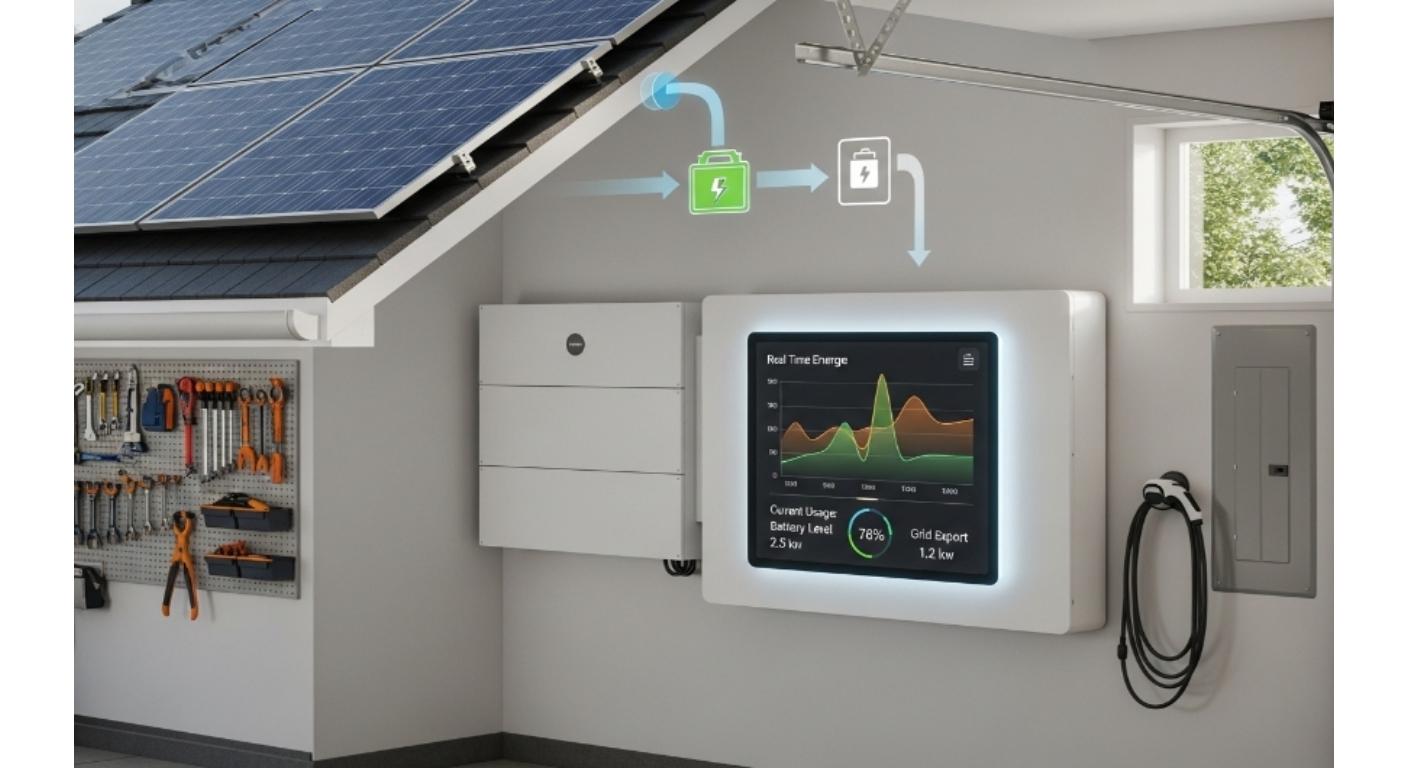 Whole-Home Energy Storage: Plan Coverage Around Your Household’s Actual Demand
2026-10-29
-
 OEM Home Energy Storage System: Create a Brand Ready for Consistent Installation
2026-10-28
-
 Hybrid Home Energy Storage System: How Energy Moves Through Your Home Each Day
2026-10-27
-
 Home Battery All In One: How an Integrated System Fits Your Home
2026-10-26
Share this: