



OEM Home Energy Storage System: Create a Brand Ready for Consistent Installation
An OEM Home Energy Storage System (HESS) provides a distributor or installation company with a means to sell HESS systems under its own brand. The first delivery, however, is just a step towards its launch. Installers require a clean package of equipment, customers have to have realistic expectations and the brand has to have an effective support system.
The aim in practice is a product offer which can be consistently quoted, installed, explained and quoted again. Think about the launch taking into account the client journey, not just logo.
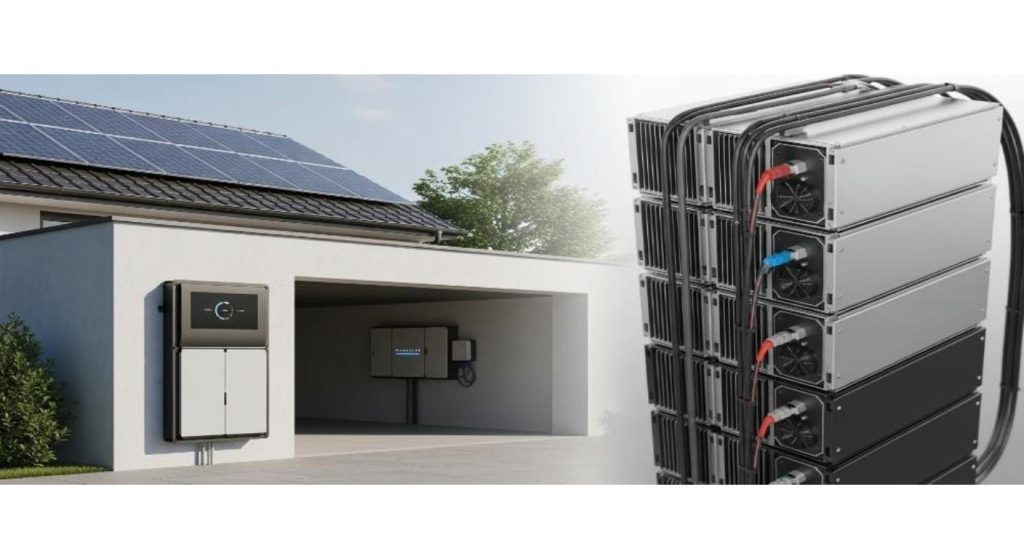
The “Offer Before Naming the Product” concept is defined.
Make a decision about the need in the home the first product will be used to meet. The different needs of the buyers can lead to different installation setups, such as a solar self-consumption package, essential-load backup system and modular storage package.
Convert the offer to a mini commercial description and technical requirements. Determine the expected market, electrical supply, installation site, target customer and existing equipment on the target site. All of this information will help the manufacturer get a good starting point.
VoltaLink’s residential energy storage products come in a variety of formats. Regard them as potential bases, but not equivalent solutions. The first conversation should be to determine which platform is a good fit for the brand’s offer and what features are needed to be verified before it promises anything to customers.
Maintain a small enough Launch Range to Support
An extended catalogue can present complexity, prior to a new brand’s familiarity with installation demand. Start with a limited number of agreed configurations, have a defined equipment scope and who it is for.
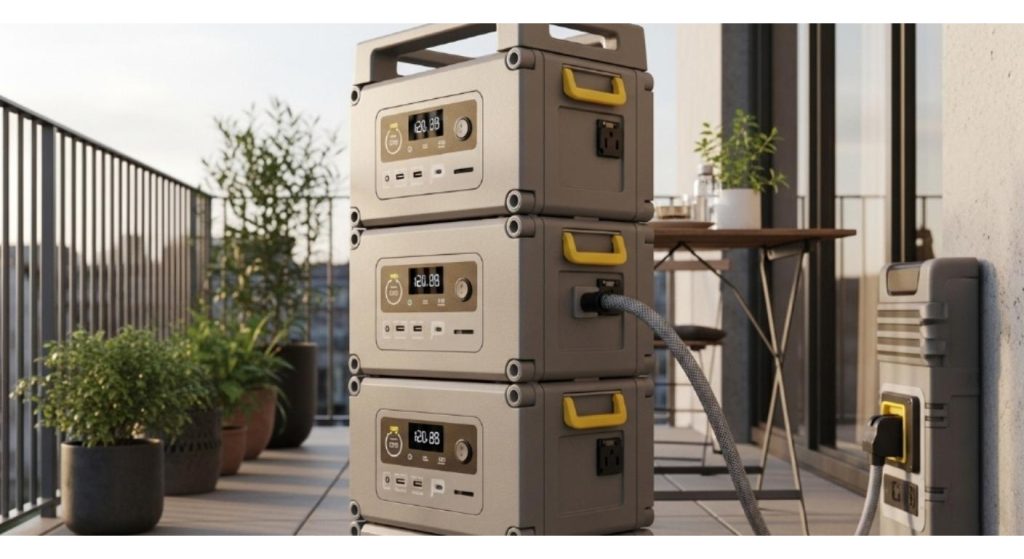
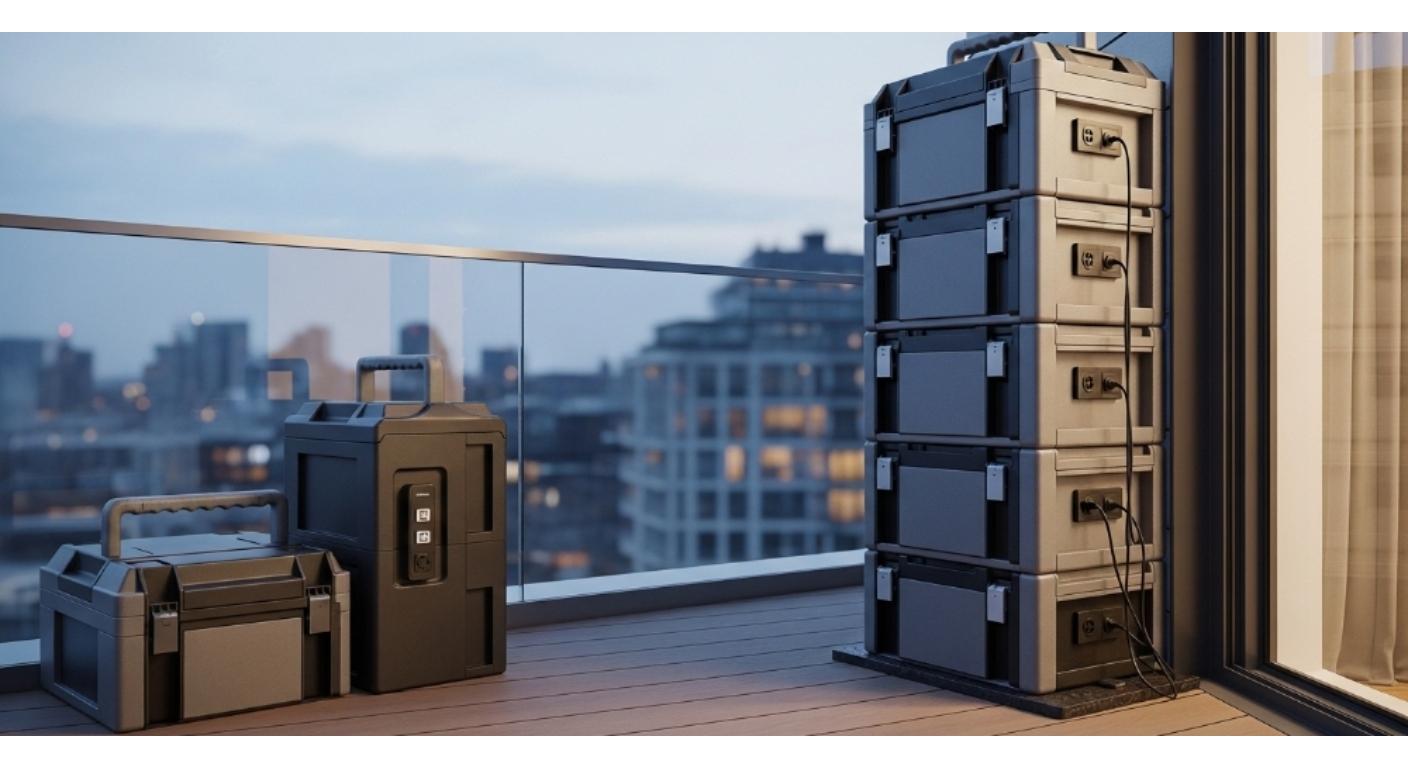
A good example for a modular offer is VoltaLink’s stackable energy storage system, which consists of a main unit and battery modules. A commercial packaging should clearly differentiate between the included storage space and the main unit, to avoid the possibility of both installation and end users confusing one part and the other.
Outline the included accessories and options for each sellable configuration. Hold back future additions until they are determined to be suitable.
Make Branding Comprehensible the Product Accurately
Enclosure, carton, quotation, manual and customer facing product page should be consistent in the branding. Make sure you agree on the model names and identifiers prior to the completion of artwork, especially if multiple configurations look similar.
The OEM and ODM home storage overview includes information on brand configuration, battery and system requirements. Don’t take anything for granted when it comes to branding materials and technical documents that can be provided for the selected project.
Clearly differentiate rated energy, usable energy, output power and operating modes in the marketing literature. Do not make a general promise of a “configurable” function. The identification and safety information must not be altered, and be remain legible. The technical aspect of the artwork should therefore be part of the artwork approval, beyond the correct logo and colours.
Provide Installers with a Package that They Can Repeat.
The initial installations are going to define the brand. Installer requires much more than the product brochure, the combination of equipment must be approved and connection details, settings and commissioning instructions for the version supplied to the installer.
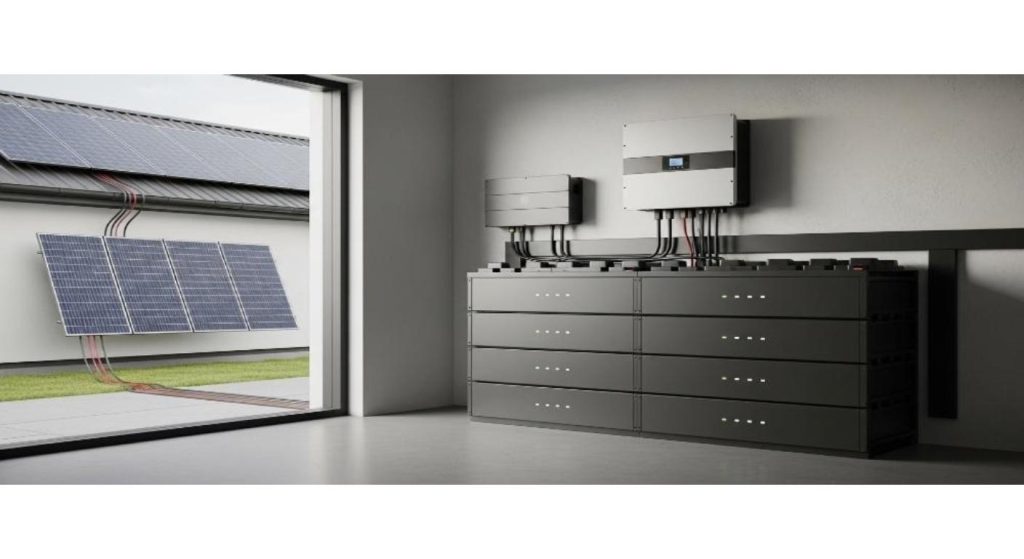
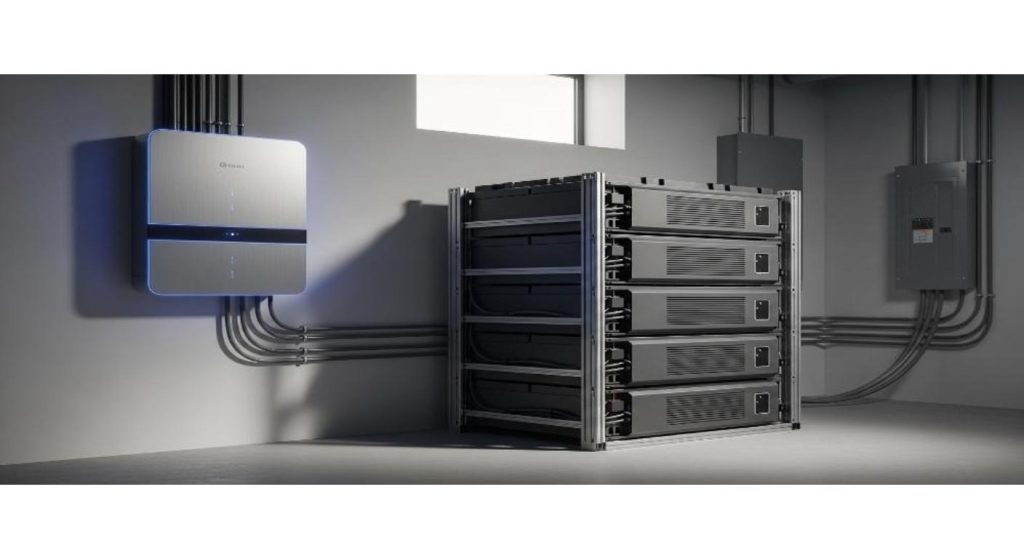
Discuss preparation and updating of these materials. If the battery is used with an independent inverter, it is important to find the approved combination and the correct firmware, and not just a general ‘inverter compatibility’. In the case of integrated equipment, specify the functionality and external installation requirements.
Also set up an explanation for customers on hand over. It should include information about normal operation, scope of backup, monitoring that can be performed and contact for technical help. A consistent handover will aid in avoiding variations in expectation between different installers for the same branded system. Ensure that training has been arranged with the supplier prior to arranging customer installations.
| Launch Asset | Manufacturer | Brand | Installer |
| Approved artwork | Technical check | Final approval | Identification check |
| Sales description | Specification input | Publication approval | Site suitability |
| Installation guide | Product instructions | Distribution and updates | Field feedback |
| Customer handover | Product information | Brand support details | User explanation |
Determine the Documents and Delivery Scope BEFORE Ordering
Inquire about the documents for the specific product configuration and target market. Have the right specialist evaluate their extent and whether or not proposed branding or engineering modifications need additional action. A website badge is NOT a substitute for the information relating to that model.
It is the battery PACK design and BMS customization that are described in VoltaLink’s company profile. When a change other than branding is desired for an OEM project, specify extra engineering, verification and document work before the order is placed.
The commercial quotation should also include details on packaging, what will be included in the shipment, the production lead time, order quantities and who is responsible if accessories have been lost or damaged. Find terms for a project, instead of assuming that published information about products sets the terms. Having a well-defined delivery package enables the brand to plan for what it is expecting to arrive and get installations and inventories right.
Test Customer Journey with the Pilot
A pilot should not only show that a battery can be charged and discharged, but conduct a test of the launch process. Choose high profile installations and determine the knowledge required to be gained by the team prior to expansion of sales.
Check on the correctness of quotations, completeness of deliveries, handling, installation work, commissioning, understanding of the customer. Note areas of confusion and if any documentation is provided, does it provide answers to common questions? Technical checks to be carried out according to the approved procedures and by qualified people.
Discuss results with manufacturer; revise information to be shared with the next order. If the same question is repeated, it could be a poor manual or a description of a package that is confusing. This separation makes it easier for the brand to fix the proper issue and avoid repeating support job as an experience from the initial installation.
Get ready for Second Order and the First Service Case
Confirm product configuration per the approved configuration for the next order, before increasing the volume. Talk about the notification of proposed changes to component, firmware, accessory or documentation. It should not be hidden in a re-use of a sales name that a change is required that installers must know.
Establish Customer to Installer, Brand and Manufacturer Support path. Define who gathers the diagnostic information, who is the person who gives permission to take additional action, and how replacement compatibility is determined. The goal is understanding the process – not promising a solution to all problems remotely!
Using pilot experience and agreed service arrangements plan stock and spares requirements. Also determine how manuals and installer guidance will get to existing customers, if applicable, when there are updates. When an OEM launch is successful, the company can service an existing product base, while also providing the same product systems to its subsequent customers.

Conclusion
Product selection, documentation, installation and support combine to make an OEM Home Energy Storage System a real branded product. New range with focus, check correct branding and delivery via representative installs. Next link repeat orders to the accepted configuration and an obvious service process. This will give them a better starting point than starting off with lots of models before the channel is ready.
FAQs
Q1. In case of an OEM project, will it be possible to simply add a logo on it?
Not necessarily. Before asking for production, agree the scope of the work – branding, packaging, changes to configuration or engineering work.
Q2. With each new brand appearing on the market, should there be a new battery model available?
Not automatically. Choose configurations that the sales and installation teams can explain, and support on a regular basis.
Q3. Is there a document for an existing product that could be used for a branded version?
Maybe, but it needs to be confirmed for its applicability. Check with the specialist in charge the precise set-up, branding and destination-market needs.
Q4. What is the order that the pilot’s job should exemplify?
Should include delivery, installation, commissioning and customer handover tests. Apply results for the enhancement of technical and commercial materials.
Q5. What do you need to get them to agree to in order to have repeat orders?
Verify the approved configuration, change notification, documentation and services. Keep subsequent orders in mind with respect to that order.

-

 LiFePO4 Home Battery Packs: Understand the Specifications Before You Select
2026-10-30
-
 Whole-Home Energy Storage: Plan Coverage Around Your Household’s Actual Demand
2026-10-29
-
 OEM Home Energy Storage System: Create a Brand Ready for Consistent Installation
2026-10-28
-
 Hybrid Home Energy Storage System: How Energy Moves Through Your Home Each Day
2026-10-27
-
 Home Battery All In One: How an Integrated System Fits Your Home
2026-10-26
Share this: