



Home Battery All In One: How an Integrated System Fits Your Home
One Home Battery All In One can seem to be the easiest way to get residential storage; one product as opposed to multiple products individually chosen. It’s a natural draw, particularly when the homeowner desires minimal decisions regarding equipment and an orderly installation.
But integration is worthwhile only if the functions that are integrated are in line with the project. The installation of a new solar energy system, an existing system or a house that only wants to add backup power units may have different setups needed. The real question isn’t how much equipment will fit in a cabinet, it’s what design decisions will the package make and what won’t it?
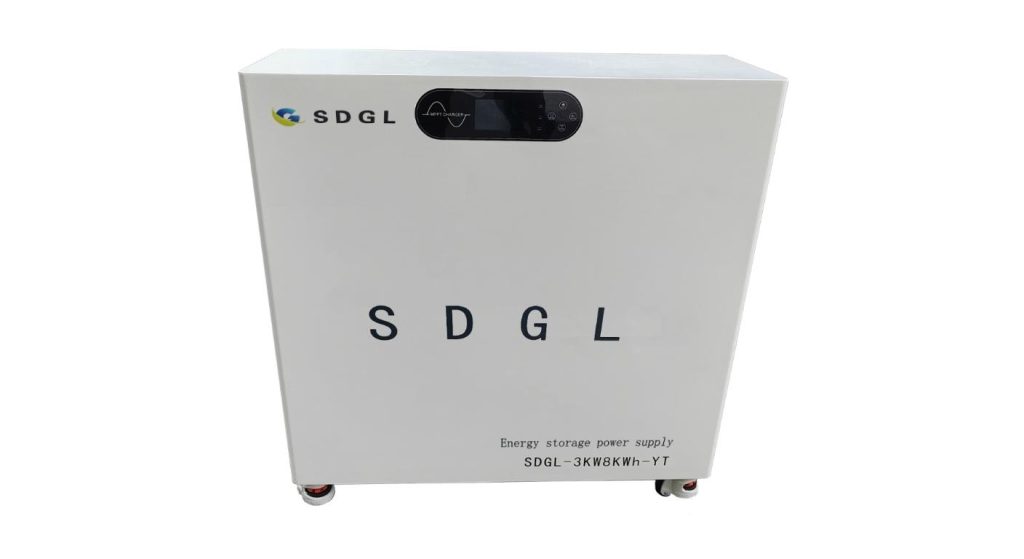
Take the time to get to know What All In One is all about.
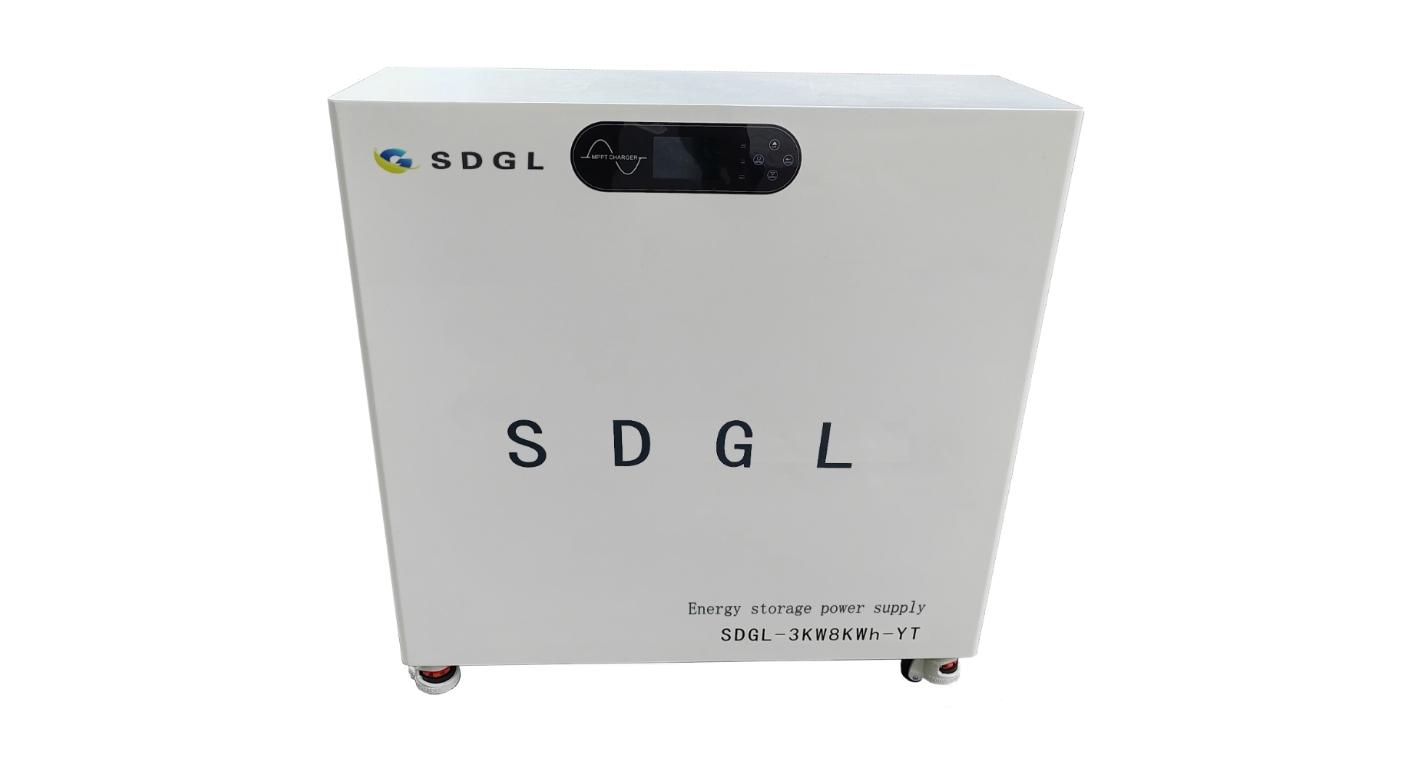
Typically, an all in one storage product at home will integrate battery storage and power conversion into a unified package. Other functions and controls can also be integrated into solar charging, depending on the model. The term does not provide a general specification.
This is a good example in VoltaLink’s lithium battery backup system: There are separate battery parameters, AC output and MPPT solar charging parameters on the product page. This will provide a buyer with a better starting point than an enclosure photo alone.
Request a configuration sheet that lists the battery provided, the functions of the inverter, the input from the solar array and any accessories. Also determine what is outside, for example site wiring, protection, metering or back circuits. A coordinated product can make the equipment selection easier without compromising a design for installation.
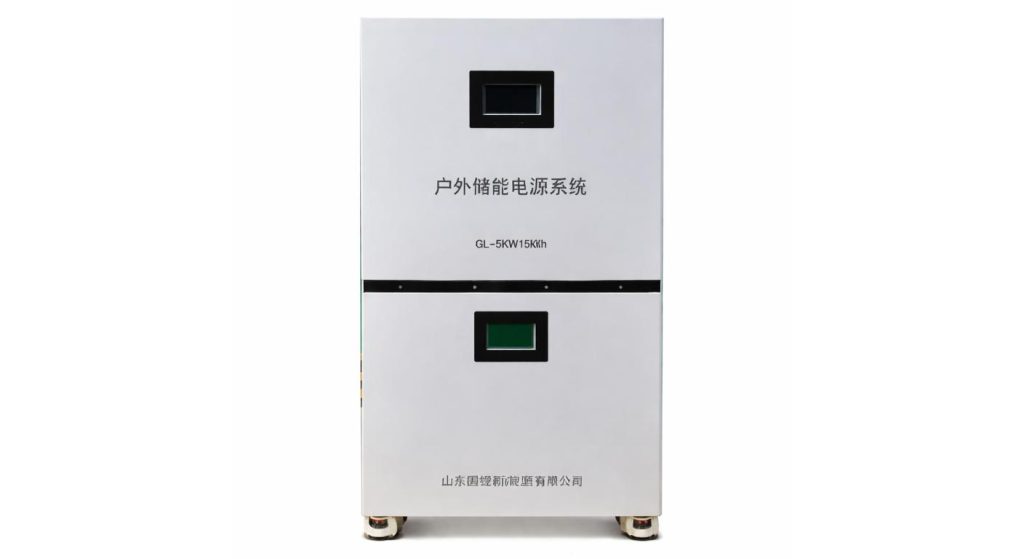
DG+Storage for New Solar Projects Together.
For the rooftop not yet installed, the designer may evaluate the solar power generation and solar storage as well as the domestic electricity demand as a single project. This presents a chance to choose up front a suitable array and storage configuration.
The power that the solar consumes is not the only factor to take into account when choosing the solar input power rating. The designer must also have the allowable voltage range, the maximum input voltage, current limits and the input configuration. The number of panels and setting of panels in strings must not exceed those capacities at forecast operating conditions.
The VoltaLink wall mounted battery for solar panels is an example of a product category which is a mix of battery and solar conversion specifications. Verify the supplied configuration, do not copy specification of similarly named products.
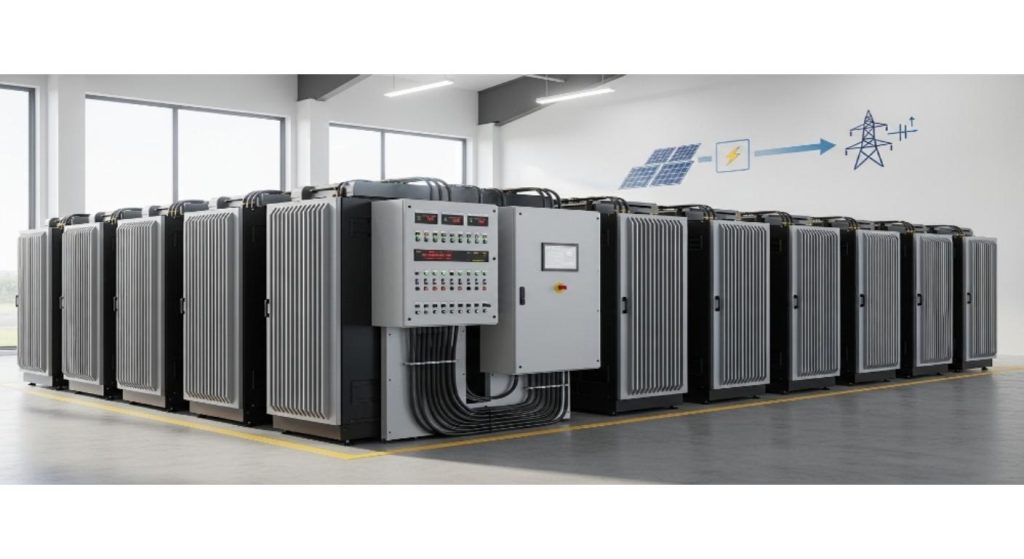
If you are an Existing Solar Home, Protect the Value of Installed Equipment.
So, if one already has an existing solar installation, the question becomes what about the existing inverter on the wall? Don’t think a new integrated unit can just be added to it or simply swapped out, without additional design work.
Inquire with the installer on whether or not the existing inverter will still be used, if any of the solar circuits will be different, and what equipment controls charging. The compatibility is dependent on the entire architecture and not just whether or not the new unit has a solar input.
Evaluate an integrated replacement vs an appropriate retrofit solution. Take installation, equipment, monitoring changes and service responsibilities into account in that comparison. While an all-in-one solution might be tempting, maintaining a working solar system also is crucial. The best option is to follow the existing system and not the cabinet format.
Rate Battery and Inverter Independently
Don’t equate stored energy and output power due to integration. The size of the battery pack will affect the amount of energy available and the size of the inverter output will affect the amount of simultaneous AC load that can be met. Heavy usage and charging capability are another consideration to think of when planning for recovery.
For instance, if there were no more energy to be produced, a theoretical 8kWh of useable AC energy would last about sixteen hours with an average load of 500W. This is illustrative only and not a runtime guarantee for a named product – the battery rated energy is not equivalent to AC energy.
Discuss the requirement of starting of any appliance and demand pattern with the designer. Request information on losses, reserves, temperature and operating limits. Use similar definitions to compare products, to avoid the larger energy figure concealing a too low output rating.
| Specification | Lithium Battery Backup System | 51.2V 300Ah Home System |
| Rated battery energy | 8038Wh | 15kWh |
| Rated AC output | 3000W | 5200W |
| AC output voltage | 230V | 230V |
| MPPT power | 4000W | 5000W |
Verify Backup is a Defined Function.
Some purchasers are interested in consuming more of their solar generation; others are seeking power during a power outage. These goals may overlap, but will need to be confirmed at system design time.
Inquire if the configuration will allow for backup, what circuits it feeds and what equipment will provide isolation from the utility for backup. Determine the changeover routine and if solar charging will be available if a changeover occurs. Those functions are not demonstrated by a solar connection, and a charged battery.
Include the agreed back-up scope in the quotation and/or commissioning record. Installer should show the approved sequence of operation and explain any hand actions. This shifts a marketable integrated product to a service for the home and an expectation that the product will not always be usable.
Prior to selecting the Cabinet, be sure to take the Service Tradeoff into account.
A coordinated package can decrease the number of component combinations which an installer is required to deal with. It can also offer a better support pathway where the supplier is responsible for the integrated product. Check for responsibility, don’t presume it happened on one enclosure.
If the inverter section requires servicing, but the battery is fine, ask how it is serviced. Determine which components can be replaced individually, the level of replacement compatibility and what information personnel need.
The expansion should be subjected to the same measure. VoltaLink’s stackable energy storage system is an alternative architecture comprising of separate battery modules and a main unit. In such a format the distinction between the integration and expandability is clearly demonstrated. Agree to make additions and future additions of more stored energy does not equal more inverter output.
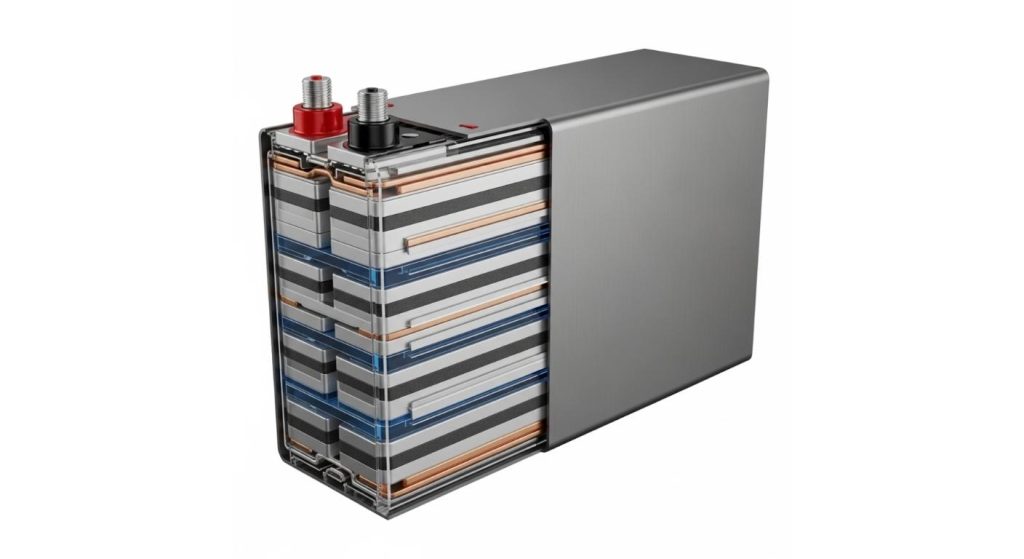
Compare, then approve, its operation, the installed package.
There’s a quote that says this about the completed installation: Instead of just comparing the price of cabinets, look at the equipment, electrical work, cabinet commissioning, documentation and support scope being provided.
Placement still matters. The Lithium Battery Backup System parameter table of VoltaLink indicates that the system is designed for indoor use (IP20). It should be placed in accordance with the instructions in the model chosen and should have access and environmental conditions as described in the model instructions. These requirements remain with product integration.
Prior to handover, check the normal charging/discharging state, operating parameters and backup functions provided in the project. Include model information, instructions, warranty and support contacts etc. in a single place. VoltaLink has several energy storage packages available for their homes, and the final package should be explained in terms of why it is the ideal package for this type of home.
Conclusion
A Home Battery All In One will be most helpful if the included functions do align with the installation. New solar installations can plan generation and storage from the ground up and for existing installations a thorough retrofit analysis is required. Consider the installed scope, energy, output, backup and serviceability as a group. The outcome ought to be a clear-cut system that is still convenient after the purchase.
FAQs
Q1. But all in one” means no installer is required, doesn’t it?
No. There is still need for the right kind of installation – wiring, protection, placement and commissioning. Make sure to verify the project’s entire scope.
Q2. Can it be used with any solar system?
Not automatically. Installer needs to evaluate the existing inverter and wiring and proposed coupling arrangement.
Q3. If the capacity increases, does the output power increase?
No, there are limits of stored energy and inverter output. Compare both to the home needs.
Q4. Are all-in-one systems guaranteed to operate when there is an outage?
Do not assume so. Verify backup configuration, circuits and necessary isolation equipment.
Q5. Is it possible to service the battery and the inverter separately?
This is dependent on the product design and support policy. When buying check service information and replaceability.

-

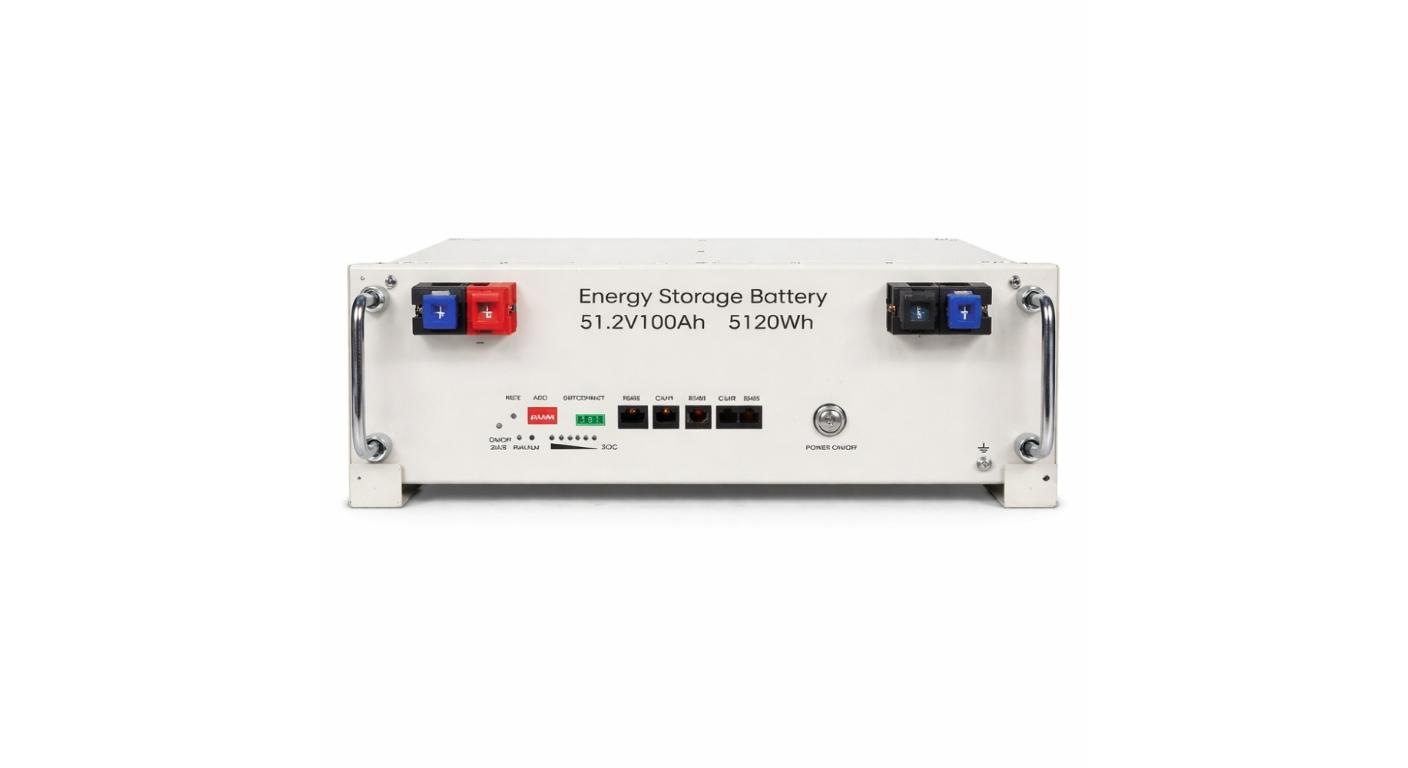 LiFePO4 Home Battery Packs: Understand the Specifications Before You Select
2026-10-30
-
 Whole-Home Energy Storage: Plan Coverage Around Your Household’s Actual Demand
2026-10-29
-
 OEM Home Energy Storage System: Create a Brand Ready for Consistent Installation
2026-10-28
-
 Hybrid Home Energy Storage System: How Energy Moves Through Your Home Each Day
2026-10-27
-
 Home Battery All In One: How an Integrated System Fits Your Home
2026-10-26
Share this: