



Home Battery Storage Factory: Follow One Battery from Cells to Shipment
A home battery storage factory is usually described by pieces of equipment, completed cabinets and numbers of capacity. These illustrate part of the process, but fail to provide an explanation for what occurs when a distributor inquires about why one battery is different from the shipment.
The better way to do this is to track a unit from production. Can there be a correlation between its identity and the approved design, received materials, assembly checks, software settings and release results? That linkage is important for importers and their quality assurance functions; once the goods have been delivered, installation queries and service incidents start, and the information that is supplied is important.

Start from One Finished Unit and Work Backwards
Select a product from the proposed product family that is at the end of the battery manufacturing process and inquire about the product’s history. The useful answer is an explanation of what records are available, what they have to do with that unit and what information can be found in the records if they are needed.
Not all factories are using the same marking or database. A batch record plus a unit record (controlled) can be more informative than an impressive software show, away from the order being discussed.
VoltaLink’s residential energy storage family includes various batteries and systems. Always review around the model you are looking to buy. The evidence of a rack battery should not be assumed to be evidence for a larger integrated home storage system comprised of different components.
Follow the CI to the Battery Pack
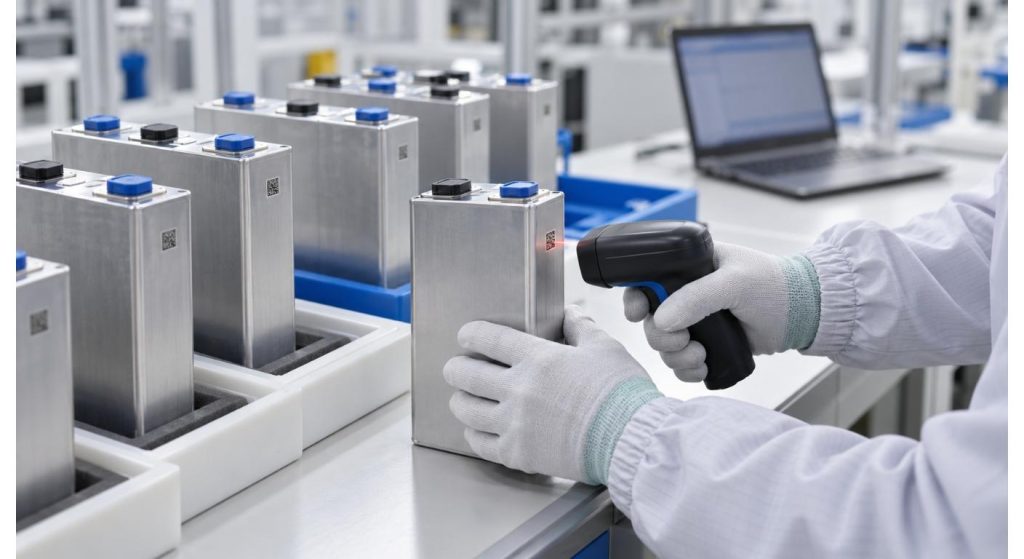
The manufacturing history of the product beings with the incoming cells. Inquire about the process used by the supplier to determine the cell specification that is accepted and how they differentiate between cells awaiting inspection and cells approved for production.
VoltaLink’s Wall Mount Lithium Battery System page explains cell matching and is a part of the manufacturing process. It is very helpful to follow with a description of the matching criteria for such a model and to demonstrate that the chosen group are still connected to the pack they are assembled.
Discuss actual measurements and acceptance limits used—not a universal grouping formula. Inquire how the replacement is determined and documented if a cell is changed in the manufacturing process. The goal is continuity: the final product should match up with an approved configuration of materials (before release, any rework authorized to match this configuration is acceptable).
Study Connections Prior to the Enclosure Conceals Them
The inside of a clean exterior can’t be seen to check connections and insulation. When visiting a factory, request to witness the appropriate assembly directions and an instance of the inspection record for the chosen design.
Explain how operators check the quality of the connection, polarity, routing of the cables and locations of the insulation. The type of connection depends on the product and cannot be assumed to be the same for all packs; not all packs are welded in the same way or fastened the same.
Inquire about the event in which an assembly check fails. The key to the matter is if the unit is identified, corrected by an accepted procedure, and retested prior to continuing. When an undocumented repair is done, it may result in a discrepancy between the accepted design and the actual product even if the cabinet eventually came out the same as other cabinets.
BMS Settings like a Manufactured Product.
The battery management system is a means of monitoring and protection, but does not in itself imply that the proper configuration has been loaded. Inquire about the factory’s method for determining the BMS hardware, firmware and settings for the order.
VoltaLink’s company profile explains the BMS customization and battery PACK solution design. If a project is set up with special requirements, where applicable, production records should be differentiated between the approved and other setups that are produced on the same production line.
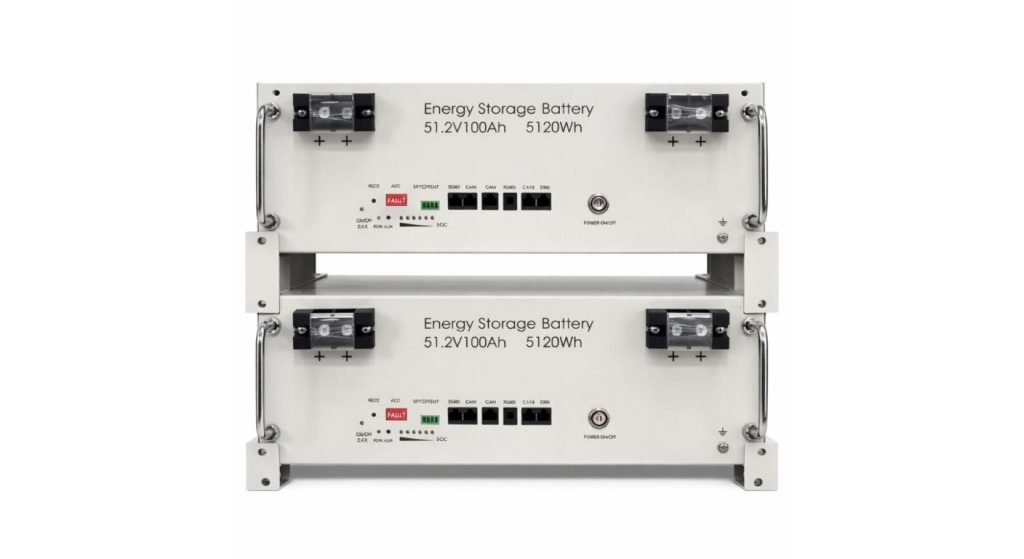
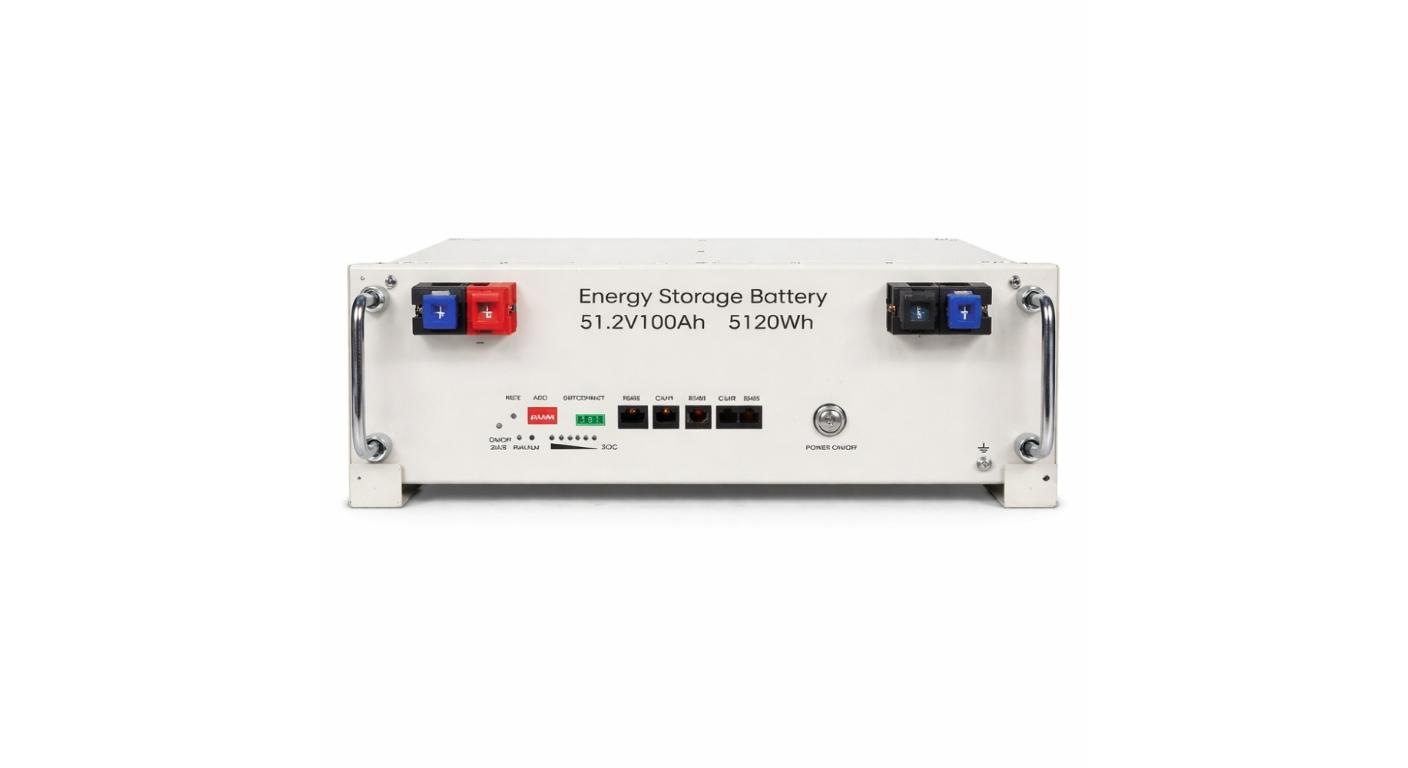
A product, like the 51.2V server rack battery, should also be reviewed for its communication interfaces. Verify if the ordered interface configuration is verified and how it is stored for further reference. You need to accept a field technician has need of an identifiable product version, not only the fact that the battery has a smart BMS.
Read Test Conditions with the Results
An unqualified assertion that a battery has passed testing is incomplete because it is not known what was tested. Question—to which tests do all units apply, which are sampled and which are development or product qualification tests?
A product page for the wall mount is called the Aging Test and Capacity Verification, Safety Check. These descriptions are offered for discussion purposes only, with the buyer asking for the specific procedure(s) and sample results for the actual configuration ordered.
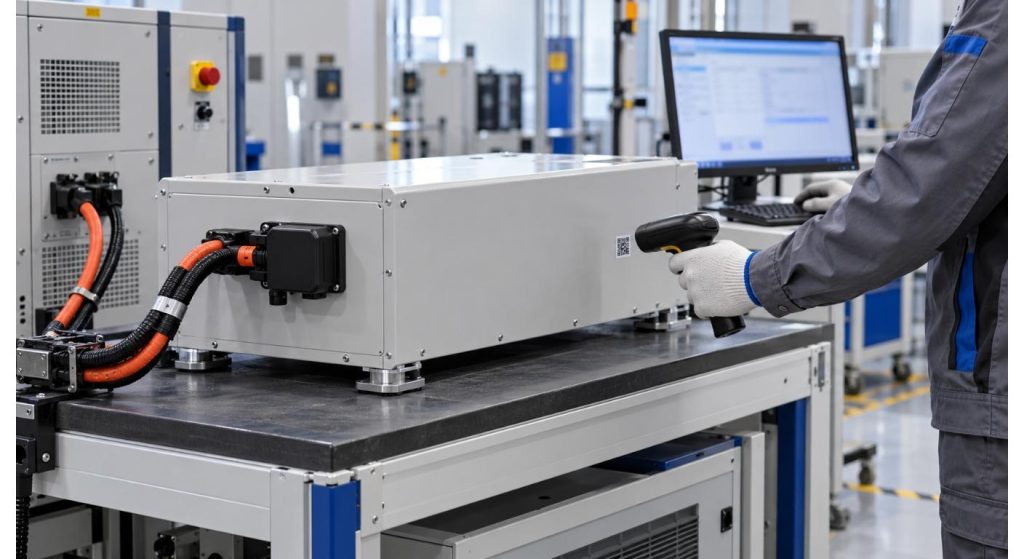
When reviewing capacity results, check the temperature, charging/discharging conditions, cutoff conditions and the basis of reporting. Functional checks – agree acceptance criteria and configuration tested. The results may vary according to the various conditions, and an unexplained number cannot be used to compare the batches. Prior to packing, decide what records are going to be sent with the shipment and what ones are still available in the factory.
Continue to maintain Rework and Substitutions Visible
When change happens, manufacturing records are really valuable. Inquire what the factory does to decide if a correction is routine or if it needs engineering or customer approval for a change. Different portions of an approved configuration can be impacted by replacement cells, replacement components or updated software.
Examine sample unit that has been corrected and goes back into the release process. Identify the checks that are repeated and how the repeated checks are reflected on the final record of the problem having been “cleared.
Ensure that, for repeat orders, the method of communication of proposed substitutions is agreed. Don’t expect that the same sales name is synonymous with the same internal design. Tying the next shipment to an approved configuration brings some help to support teams in avoiding assuming that all versions are interchangeable.
Write down the information that the Service Team can use for Shipment Release.
Check before dispatching that the model identification, accessories, manuals and shipment records are in line with the purchased configuration. Inquire about the relation of individual items to the appropriate cartons or shipping list.
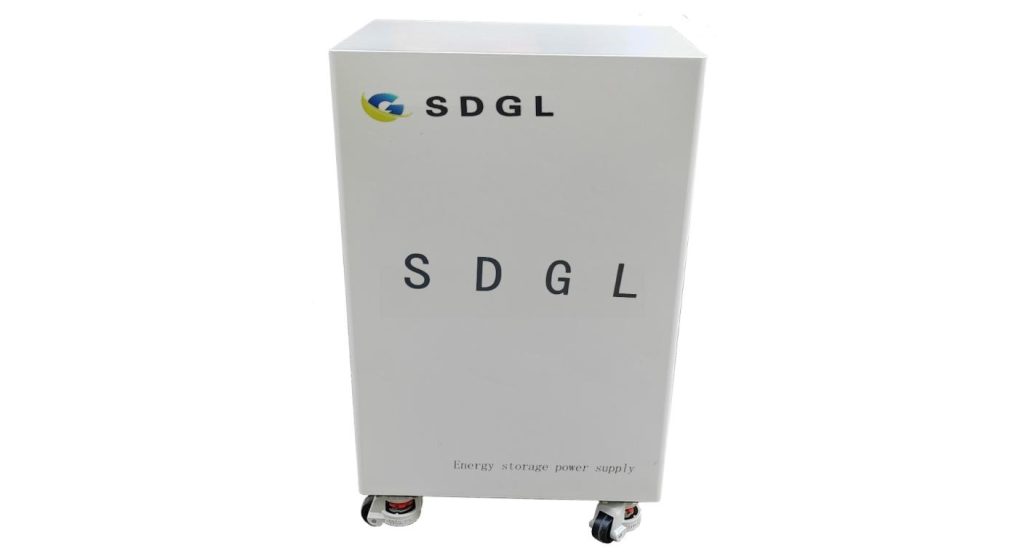
Agree on information that needs to be collected to investigate a future complaint. An installation record, operating observations, and an identifiable firmware version, along with a serial number, will provide the factory with a starting point to review available records.
Confirm as well who takes the records and how the findings get to the distributor. The only real use for traceability is if the information can be utilized to investigate a problem. If a release and support process is clearly described, the factory and the importer (and installer) can be talking about the same unit and not just making vague reference to a range of products.
| Field | Information to Provide |
| Case reference | Distributor ticket number |
| Occurrence time | Date, time, and time zone |
| Reported symptom | Alarm text and observed behavior |
| Site context | Inverter model and recent changes |
| Evidence bundle | Photographs and available operating logs |
Conclusion
When people talk about a home battery storage factory, it is easier to evaluate along an identifiable unit. Linkage to the approved product including cell connect, assembly checks, BMS configuration, tests, rework and shipment release. This approach transforms manufacturing claims of any sort into specific questions, and provides a practical basis for batch consistency and investigation in the event of a problem after delivery.
FAQs
Q1. Is a battery serial number complete traceability?
No. Inquire about production and test records that are associated with it. Identification is only beneficial if it is possible to get relevant information.
Q2. Should production testing be the same for all of the batteries?
Tests required will be based on product and agreed quality plan. Check if they apply for all units and/or sampling.
Q3. What does a capacity test report need to tell?
Should describe the product and conditions of the test. Please read those conditions before comparing the results of different batches.
Q4. Does rework documented in the factory indicate that the factory should be rejected?
Not automatically. Determine if the correction was authorized, documented and checked before their release.
Q5. What is the distributors’ residual value?
Maintain unit identities and configuration information, release documents, and support contacts. These can be used to link field questions to appropriate production documents.

-

 LiFePO4 Home Battery Packs: Understand the Specifications Before You Select
2026-10-30
-
 Whole-Home Energy Storage: Plan Coverage Around Your Household’s Actual Demand
2026-10-29
-
 OEM Home Energy Storage System: Create a Brand Ready for Consistent Installation
2026-10-28
-
 Hybrid Home Energy Storage System: How Energy Moves Through Your Home Each Day
2026-10-27
-
 Home Battery All In One: How an Integrated System Fits Your Home
2026-10-26
Share this: