



ODM Energy Storage Battery Manufacturer: Turning a Product Brief into a Production-Ready Design
When an ODM energy storage battery project begins, the initial request is usually the same – modify an existing product to be fit for a specific brand or market. When ‘Suitable’ is more than just a new logo, the tough choices start to come. Modifications to communication, enclosure design, operating constraints and/or documentation may lead to product build, installation, and support changes.
ODM energy storage battery manufacturer should contribute to the transformation of such decisions into agreement of the product definition for storage brands and product managers. The aim is to produce a clear distinct product that can be supported and its approved design doesn’t change after the product is released.
Identify Your Customers’ True Difference
Start by focusing on the customer issue and not a list of potential changes. Predictable commissioning and accessible terminals might be important to a distributor supplying installers. A residential brand might focus on being small, easy to understand and having a line of products that fit together.
Convert this difference to measureable requirements. Application, electrical design, installation, interface requirements and projected sales. Differentiate between features known to need launching from those that can be delayed to a future release.
The scope of engineering does not come with the term ODM. VoltaLink’s company profile enhances BMS customization and lithium battery PACK solution design. Take the capabilities mentioned as a base and initiate a technical discussion and validate the feasibility of the requested changes on the chosen platform.
Please select a Platform before requesting a new Design.
When the architecture of an existing platform is suitable for the application, an existing platform can serve as a good starting point. The choice of the starting battery pack (rack battery, a freestanding home battery or a modular battery storage system) results in various mechanical and electrical decisions.
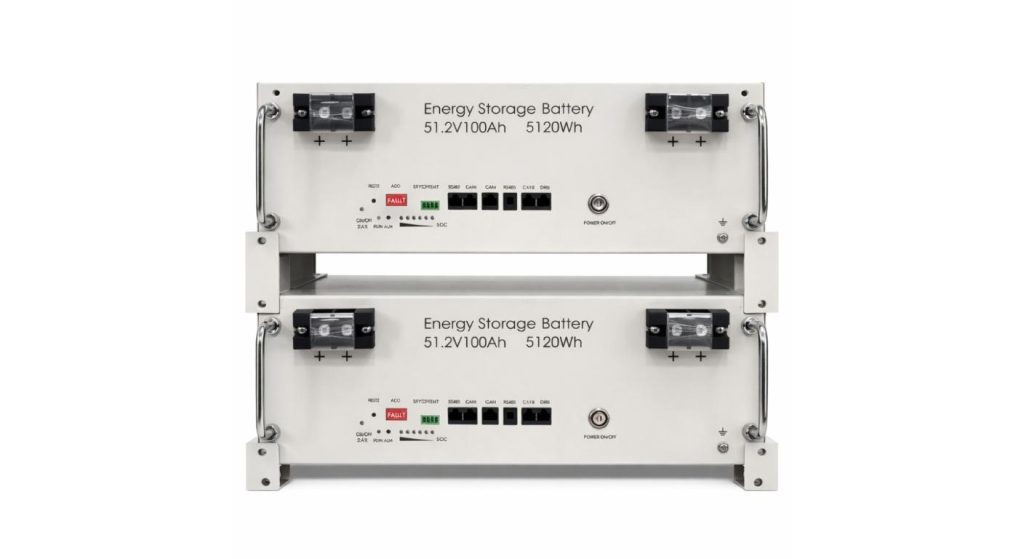
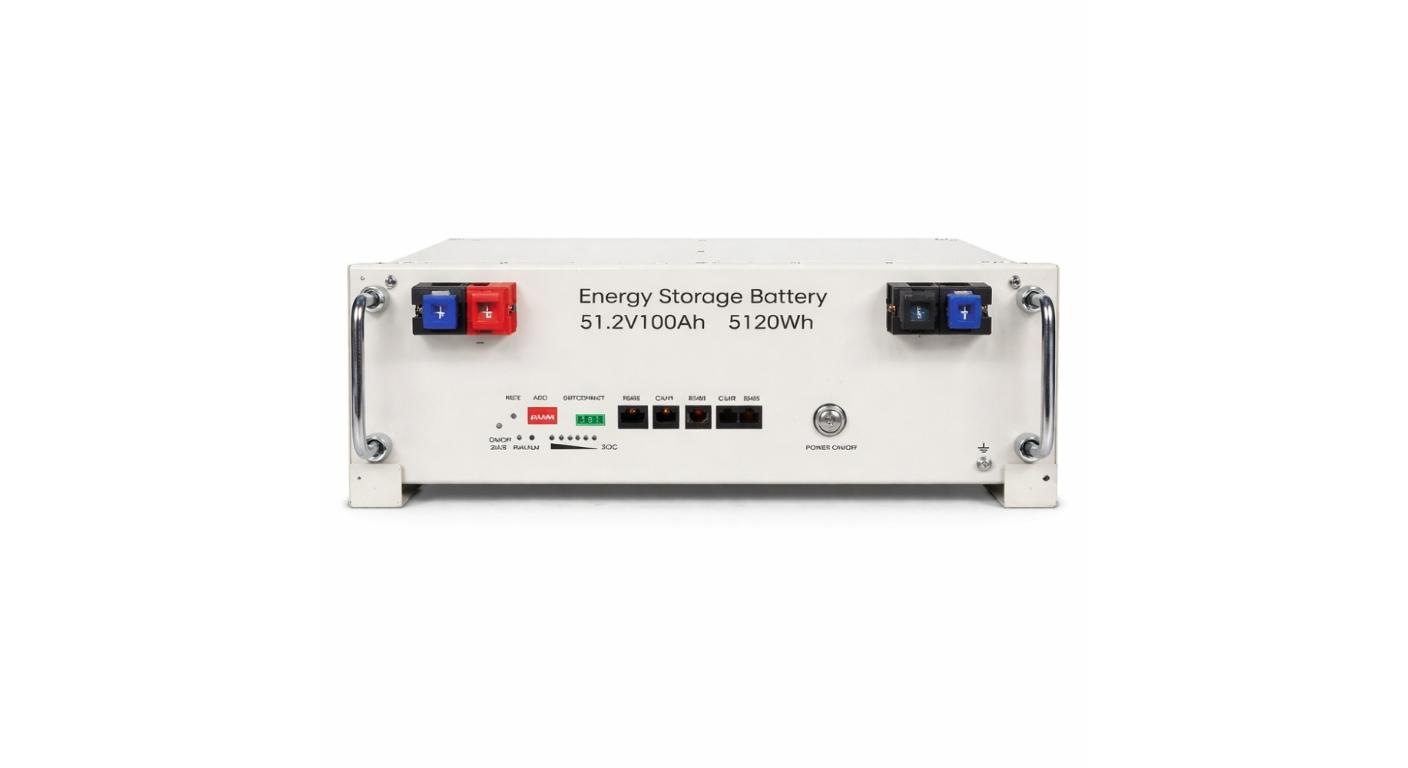
One example of a defined starting platform is VoltaLink’s 51.2V server rack battery, which has published voltage, capacity, size and communication interfaces. Consider those limits prior to asking for a smaller enclosure or larger output rating. Such changes can sometimes necessitate more than just an external change.
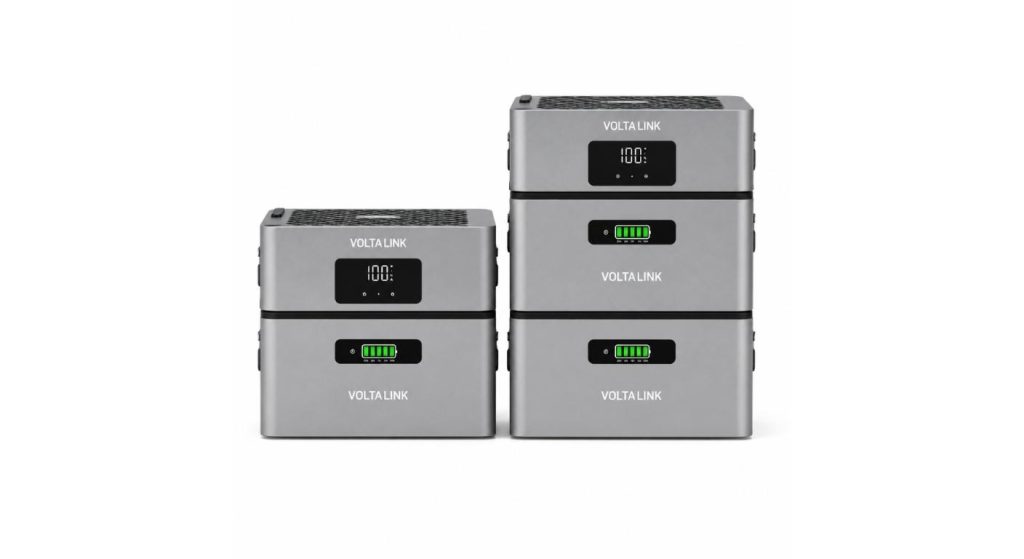
The stackable energy storage system is a further reference architecture for a product family that is based on expandable capacity. Ensure that all components are to the battery module or main unit. This will stop inverter functions being assigned to a battery pack accidentally from a brand specification.
Write the Before the Appearance Brief (interface agreement)
Even a branded battery must be able to “talk” properly to the other equipment that it is connected to. Specify inverter models to be used, communication protocol, connection layout and certified combination of firmware. CAN or RS485 is a class of interfaces and does not guarantee that the necessary information is being exchanged between two products properly.
Describe the identification of connection points, and the choice of settings, that the installation team should make. Determine the status information, alarms and operating limits to be communicated and agree on how these functions will be tested.
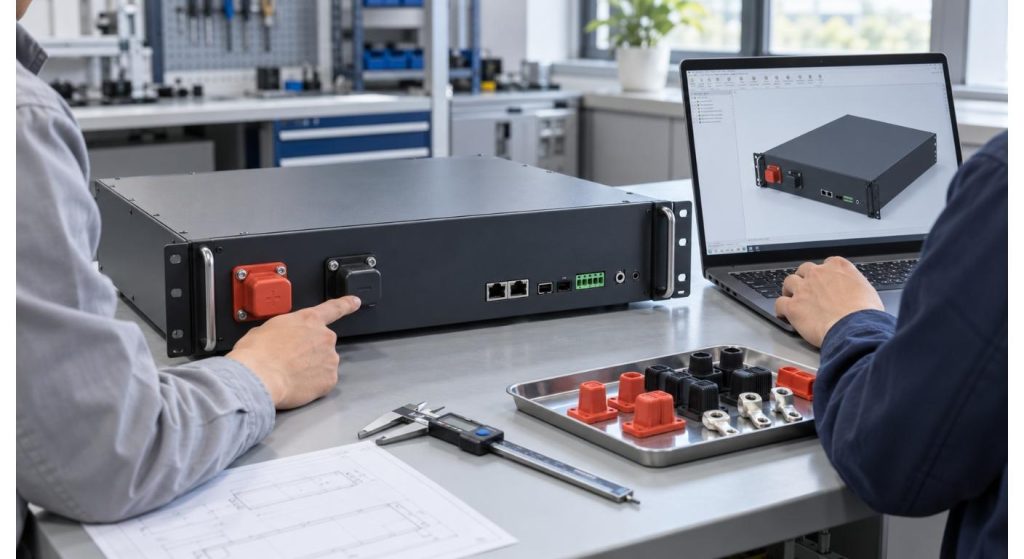
Record requested behavior with BMS customization, if suggested by the manufacturer, and manufacturer’s evaluation of the customization. Development testing and installer documentation should be based upon the interface specification accepted.
Plan for easy installation and maintenance by modifying enclosures.
While appearance is important, other factors to consider include mounting, cable access, handling and service clearance in the development of an enclosure. Look over the proposed product in the proposed location and review the space requirements such as to reach terminals or to remove a service cover.
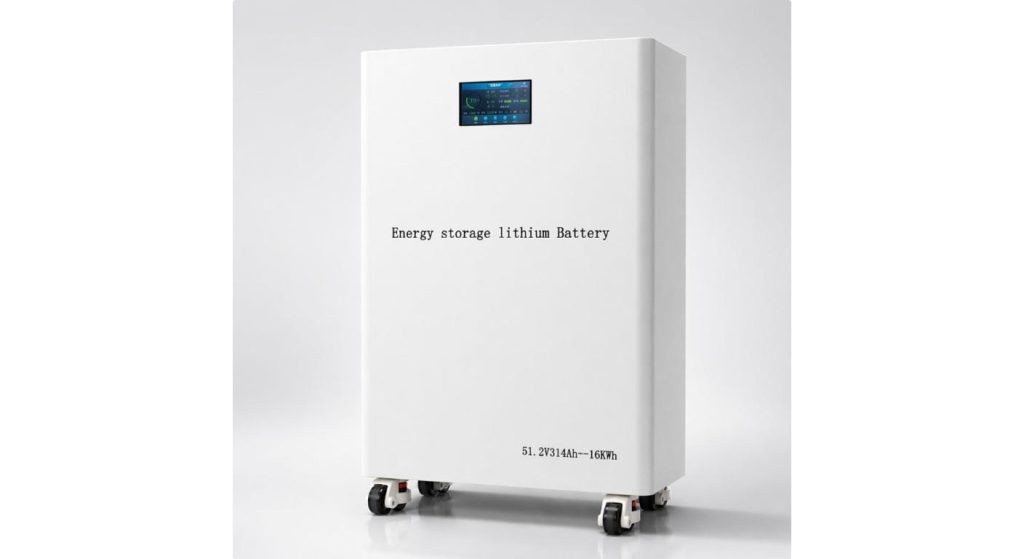
VoltaLink’s 51.2V 314Ah home battery is rated as being suitable for indoors with an IP20 rating. If there is a request to move such products to the outdoors, a separate design assessment would be required as a new coating or new branding alone would not indicate outdoor suitability.
Request plans of the exterior dimensions and connection points agreed upon. Check to see if cosmetic changes impact cooling paths, structure or access to protection devices. Provide essential information and identification, do not use all visible surface as “marketing space”.
Accept the changes – not only the original platform.
The published specifications of a standard model are not a complete description of a modified version of the product. Determine what has differed and what needs to be done to approve the resulting configuration. Discuss the consequences of the modified cells, BMS behavior, electric connections, enclosure design or firmware with the manufacturer.
Prior to the arrival of the prototype, agree on a verification plan. It should relate each major requirement to a review, measurement or functional test. Conditions and acceptance limits to be used for testing should be clearly defined so that the results are interpreted in the same way by both teams.
Product documentation to be in line with the final configuration. Inquire from the relevant testing/certification expert if there are any changes that may impact previously issued reports or further testing for the target market is required. Don’t take it for granted that documents for a base model will apply to all the brand derivatives.
Record a Production Definition That Can Be Repeated (PDBR) for free.
The prototype approval should result in a lot more than a picture of the approved sample. Define a product by date including hardware revision, firmware revision, approved configuration, drawings, labels, accessories and test criteria.
Talk about how this will be known to the factory when the item is being made and checked at the end of the line. Inquire about the control of cell selection and connection processes, BMS programming and inspection records for the proposed design. These are project qualification questions and methods required will depend on product and should be confirmed with the manufacturer.
A pilot batch can indicate problems that don’t show up in a single prototype, such as missing accessories, settings that don’t work perfectly, and confusing instructions. Prior to authorizing more production, agree with it its purpose and review results. Any outstanding deviation should be dealt with and not just ‘assigned to general approval email’.
Develop the Product Handover for future orders
The first product shipment is the start of product support. Determine what technical information installers will be provided with and what evidence the brand would want to be able to get as part of the troubleshooting process and how the manufacturer plans to support a troubleshooting investigation if a field issue arises.
Commit to sharing drawings, release of firmwares, access to configuration tools and documentation updates if relevant. Explain who is responsible for these materials and how to deal with future variants. A brand ought to know what engineering resources it obtains and what ones the manufacturer keeps in control.
Set up the method for communicating proposed substitutions/revisions. Fit, electrical behaviour or supporting documents may be impacted due to a component change, although the sales name does not change. As the product spectrum expands, connecting subsequent orders with an approved revision can help to keep purchasers, technical support and installation staff in synch.
| Field | Required Entry |
| Change reference | Unique request number |
| Commercial purpose | Customer problem addressed |
| Affected baseline | Existing product revision |
| Impact review | Engineering and document implications |
| Release decision | Approver and effective batch |
Conclusion
A successful ODM partnership takes the wants of the market and transforms it into an agreed, repeatable product. Use an appropriate platform, specify interfaces and installation requirements, test changes and publish a version for deployment. This process enables brands, which are on the verge of an ODM energy storage battery manufacturer, to differentiate practically and remain linked to the ordered energy storage products in terms of future orders and product support.
FAQs
Q1. Is there a difference between ODM and Private Label?
Not necessarily. Determine if project is for branding only or agreed engineering changes to the product.
Q2. Will a standard battery platform help to cut development?
Yes, if it is already designed for the application. Modifications still need to be evaluated and proper verification.
Q3. Does it mean that a battery can be customized by BMS and can be used with any inverter?
No. This will vary, depending on the specific equipment, protocol, firmware and operating limits. Test the desired mixture.
Q4. Are there product reports of all ODM versions?
Do not assume so. Check on who, what, and which documents/evaluations apply for final modifications.
Q5. What should be kept following prototype approval?
Maintain the approved specifications, drawings, configuration and verification records. Tie future orders to “accepted” rev’s of hardware and software.

-

 LiFePO4 Home Battery Packs: Understand the Specifications Before You Select
2026-10-30
-
 Whole-Home Energy Storage: Plan Coverage Around Your Household’s Actual Demand
2026-10-29
-
 OEM Home Energy Storage System: Create a Brand Ready for Consistent Installation
2026-10-28
-
 Hybrid Home Energy Storage System: How Energy Moves Through Your Home Each Day
2026-10-27
-
 Home Battery All In One: How an Integrated System Fits Your Home
2026-10-26
Share this: