



Choosing a Solar Battery Manufacturer: From Project Brief to Approved Supply
When purchasing a solar battery company, you’re making a decision that’ll have implications beyond the initial order. A quotation may show a battery that is ‘appropriate’ but when installers connect it, commission the inverter or ask for spares, it may cause problems. More important for distributors, solar installers, and project integrators is if the supplier can provide a repeatable product that can be applied to the desired system.
Define the Project before Comparing Suppliers
Explain the need of the battery. What is important to a site providing essential-load backup is not as important to a household storing afternoon solar generation. Determine the desired operating schedule, site location, desired storage capacity and equipment already chosen.
Provide the manufacturer with the following information: inverter model, low and high battery voltage requirements, battery continuous power usage, and motor(s) starting loads. Add destination market and intended order volumes. These details will be used to decide whether this is an appropriate standard product, or a project that requires engineering changes.
VoltaLink offers a range of energy storage solutions for homes, offering some relevant starting points for home solar projects. But choose the product category is not the end. Before pricing becomes a factor, the supplier should be able to break down your requirements into a specific model, configuration and scope of supply written document.
When choosing, select the Architecture Before the Capacity.
There are various types of purchase packages, such as a battery pack and an integrated storage system. One might need a power conversion unit (inverter) chosen separately and installation accessories, while another could package power conversion with expandable battery modules. Of course, don’t just assume that because the cabinets are similar in shape the functionality is the same, so compare what is received in the shipment.
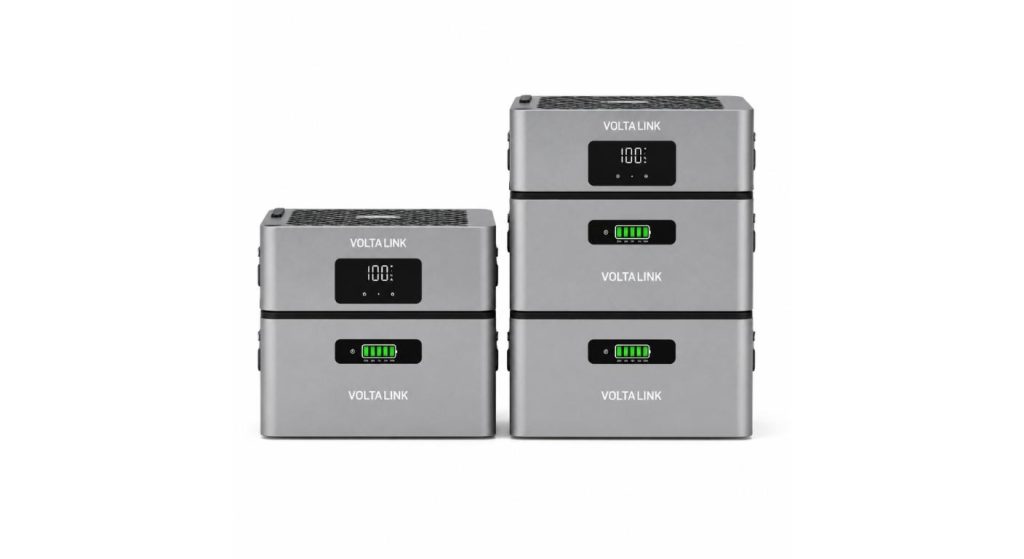
For instance, VoltaLink’s stackable energy storage system consists of a single main unit and between 1 and 5 battery modules having a capacity of 2400Wh. The difference is important when creating a quotation; a main unit without batteries, can’t provide stored energy.
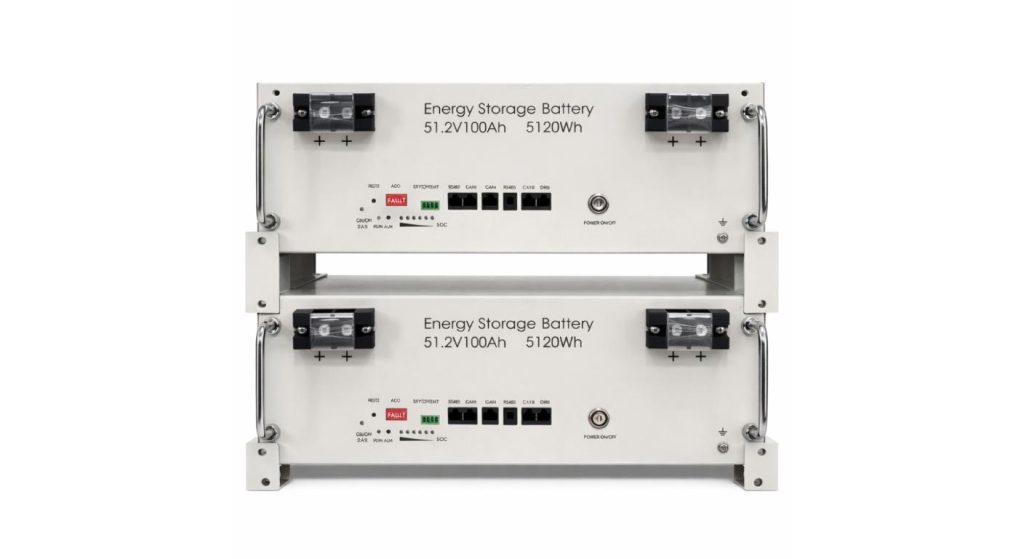
When considering a rack-based design, look at mounting dimensions, terminal access, cable routing and service clearance.
Make distinction between Stored Energy and Deliverable Power
Capacity is the stored energy and output capability is what loads can be supported. If additional kWh’s are purchased, they do not necessarily help address a power constraint. Battery, inverter, cable and protection devices are required to operate within their rating.
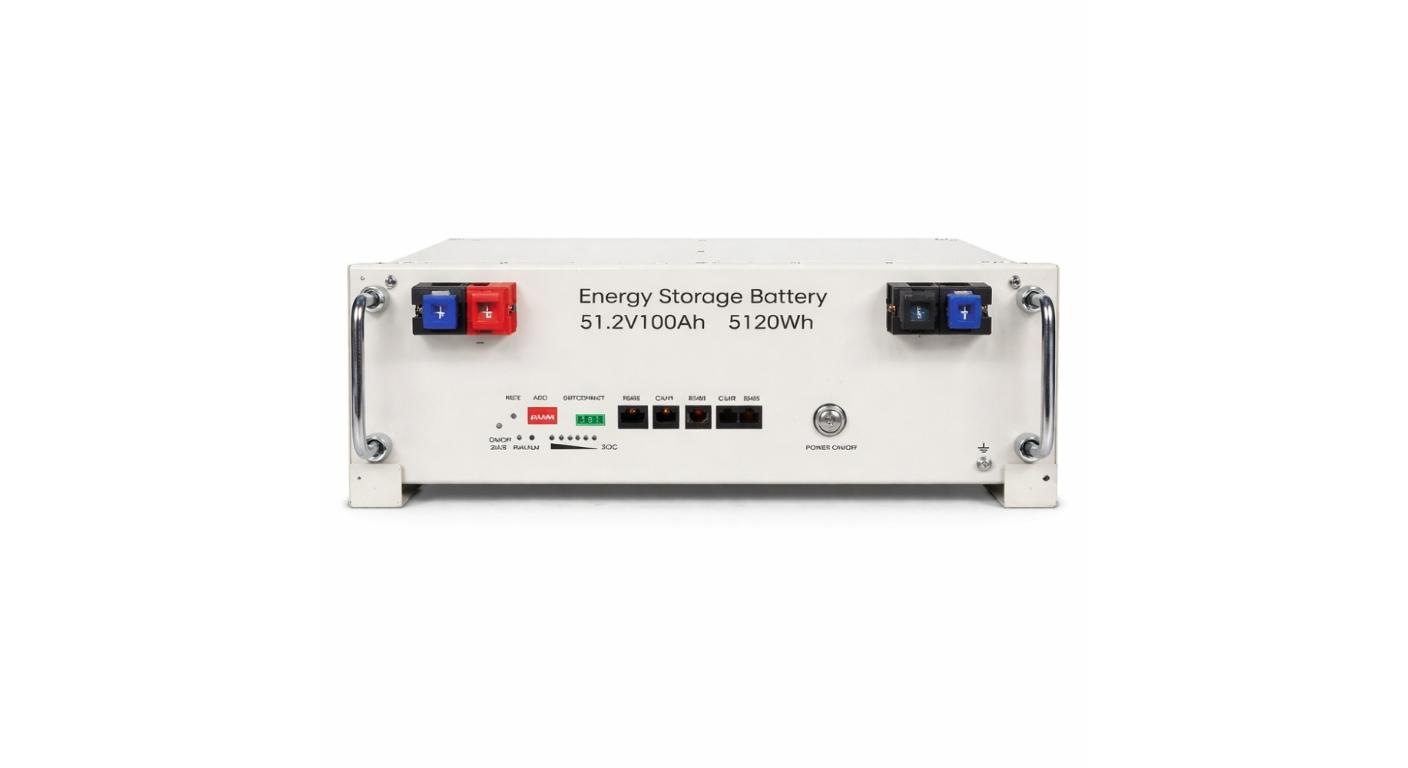
The VoltaLink 51.2V server rack battery has a capacity of 100Ah and 5.12kWh. Those figures can be used to determine the product, after which the continuous current rating will be compared to the battery-side requirement of the inverter. Do not assume the nominal energy to be usable AC energy – take account of conversion losses and operating conditions.
Ask for the safe operating range, recommended discharge and temperature limitations. The assumptions with regard to load, reserve capacity and losses should be given in runtime estimates. Manufacturer explanation of these boundaries provides the buyer with a more solid foundation on which to design a system, rather than an unfounded promise of whole home back-up.
Communicate with a Prover Inverter and Actual Equipment
Compatibility is not achieved with just a connector that is labeled CAN or RS485. Inquire if the battery to be used has been tested with the specific inverter model and version of the firmware that will be used in the project. Check communication cable, pin setting, protocol and commissioning setting.
When evaluating the sample, check inverter Battery Status against Battery interface. Under normal operating conditions, observe charging and discharging and determine if charging and discharging limits and alarms are being reported by an approved test procedure. Write down the settings which gave the accepted result.
This should be included in the installation package for distributors. Uncertainty is eliminated due to a repeatable setup process for multiple installers and sites. If the inverter/battery’s firmware are to be changed in the future, specify compatibility has to be rechecked before the updated product is sent.
Inquire about How Consistency is maintained in the manufacturing process
A good sample doesn’t mean that all production will be the same. Inquire about the identification and verification of incoming cells, control of assembly instructions and the connection of finished packs with inspection records.
Talk about the controls which are applicable in the proposed design such as cell grouping, electrical connections, insulation, BMS configuration and final functional testing. Ask for samples of the records that are available for your order. These are questions to check on supplier qualifications and not assumed that all factories use the same equipment or process.
VoltaLink’s company profile includes information about customization of BMS and lithium battery pack solution design. If the customer wants to customize, the customer should specify the approved electrical boundaries, interface requirements, arrangement of the enclosure and acceptance criteria. When the changes in the engineering are made, the changes should be documented so that the approved sample is still meaningful for subsequent production.

Review on the installation environment and product documents
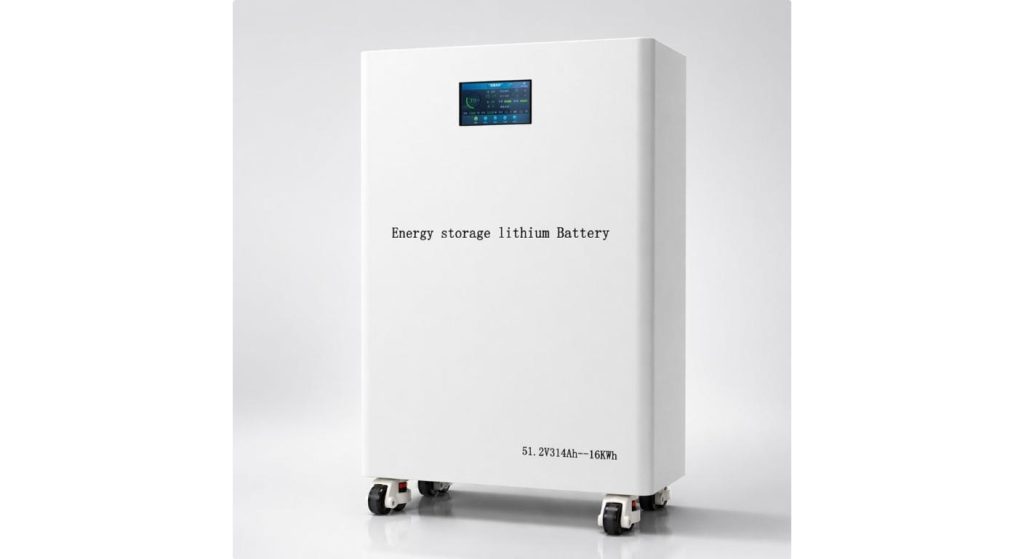
Assess the specific protection rating, operating temperature range, accessibility for mounting and maintenance of the particular model. The home battery parameter table for VoltaLink’s 51.2V 314Ah battery indicates that it is suitable for indoor use (IP20). That rating should be used for placement, rather than the general indication of weather resistance based on a general description.
Request paperwork to show model and configuration being sold. Compare test reports and/or certificates provided with that product and verify requirements for that marketplace with the installer or project specialist responsible. A badge on a website is the beginning of inquiries and not necessarily the entirety of the approval package.
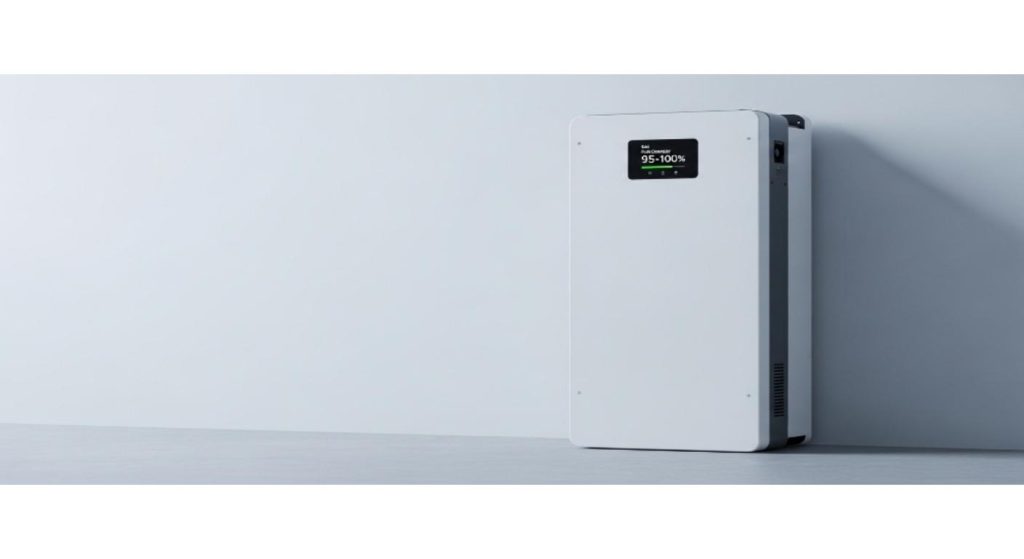
Store installation instructions, electrical requirements, moving instructions and warranties in one place. With consistent documentation, the purchasing team, logistics provider and installer all obtain the same definition of the product, rather than making their own assumptions.
Simulate a delivery for the Sample Order
Accept a sample based on the application that it’s going to be used for, not just how it looks when it arrives. Inspect shipment contents, mechanical fit, communication configuration, operating characteristics and accessibility of service connections. Check the provided paperwork against the hardware/firmware that you received.
Establish acceptance criteria prior to the test and agree on metrics that are measurable. Employ qualified persons and manufacturer’s procedures for making electrical checks; do not use improvised fault tests. Document serial numbers, configuration information, observations, and prior to approval, as required, corrective action.
Next take a look at commercial handover. Verify the packaging, accessories, production lead time, replacement process and who is responsible for technical support. If repeat orders, determine how the component changes and firmware changes will be communicated. This converts sample approval to a controlled purchasing reference to an informal impression.
| Approval Gate | Suggested Owner | Record to Retain |
| Project scope | Buyer and integrator | Signed requirements |
| System integration | Technical lead | Commissioning report |
| Sample acceptance | Quality lead | Approved sample record |
| Shipment readiness | Purchasing lead | Release authorization |
Conclusion
The best solar battery company will be able to link up the buyer’s real installation and delivery necessities. Start with the project brief, check architecture and output limits and demonstrate integration on the planned equipment. A documented sample review, model specific documents and manufacturing records then form the basis for repeat orders.
FAQs
Q1. What does my initial letter include?
Please provide the application, inverter model, capacity required, load demand, installation environment, destination market and quantity required. The proposed configuration is more helpful thanks to these details.
Q2. Are LiFePO4 chemistry guaranteed to work with inverters?
No, chemistry does not guaranteed the operability compatibility or matching of the operational limits. Make sure to verify specific battery and inverter combination.
Q3. Are all the solar batteries suitable for outdoor use?
No. Depends on the particular enclosure rating and the environmental limits. For an indoor model (IP20), an appropriate indoor location is required.
Q4. Is there any way to expand capacity after installing?
Maybe, if the chosen model has the proposed extension. Get approval of quantity of modules, interconnection and compatibility with already installed batteries.
Q5. What needs to be accepted prior to acceptance of a bulk order?
Accept and approve configuration, sample results, documentation, accessories and commercial terms. Maintain a dated reference of hardware and firmware.

-

 LiFePO4 Home Battery Packs: Understand the Specifications Before You Select
2026-10-30
-
 Whole-Home Energy Storage: Plan Coverage Around Your Household’s Actual Demand
2026-10-29
-
 OEM Home Energy Storage System: Create a Brand Ready for Consistent Installation
2026-10-28
-
 Hybrid Home Energy Storage System: How Energy Moves Through Your Home Each Day
2026-10-27
-
 Home Battery All In One: How an Integrated System Fits Your Home
2026-10-26
Share this: